
When Is Tick Season in PA? Protecting Your Home, Family, and Pets.
In Philadelphia and the surrounding Pennsylvania counties, flea and tick season can stretch from spring through fall, and ticks often become active well before the summer months. In many parts of Pennsylvania, tick activity can begin in April and continue into October, with adult blacklegged ticks also active during mild stretches in early spring and fall.
In this article, Pest Control Technicians, Inc. explains what tick season in PA looks like, which ticks homeowners are most likely to find, and how to reduce tick exposure around your home, family, and pets.
Table of Contents
When Is Tick Season?
Tick season in PA can start earlier than many homeowners expect. Rather than beginning around Memorial Day, tick activity often becomes relevant in April, especially when the weather is mild. The Pennsylvania DEP tick surveillance program runs from April through August and focuses mainly on the nymphal stage of the blacklegged tick, also called the deer tick. DEP also collects adult blacklegged ticks in fall and winter.
The tick season in PA isn’t a single short window; rather, it’s a long active period with changing risk levels by species, weather, and life stage. According to the CDC’s information on how Lyme disease spreads, nymphal blacklegged ticks are active from April through July, while adult blacklegged ticks are most active in early spring and fall. These small nymphs are a major concern because they can be difficult to see after time outdoors.
What does all of this mean for homeowners? Tick prevention should begin before summer and continue through fall, especially around wooded edges, tall grass, brush, leaf piles, and shaded yard areas.
What Are the Most Common Ticks to Find in Pennsylvania?
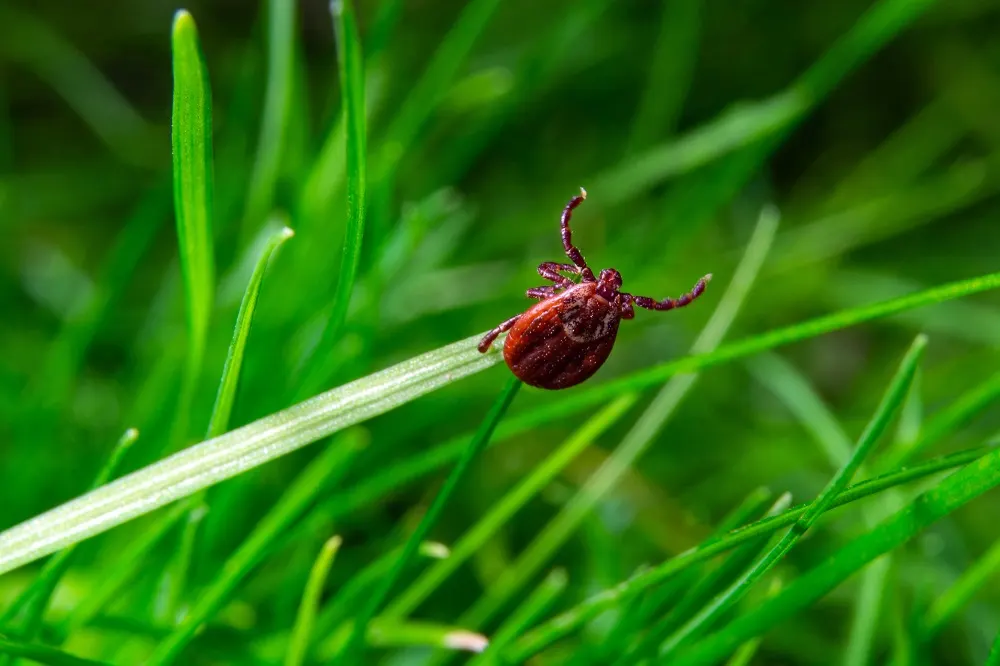
Pennsylvania has several tick species that can affect people and pets. The main ones homeowners should know include:
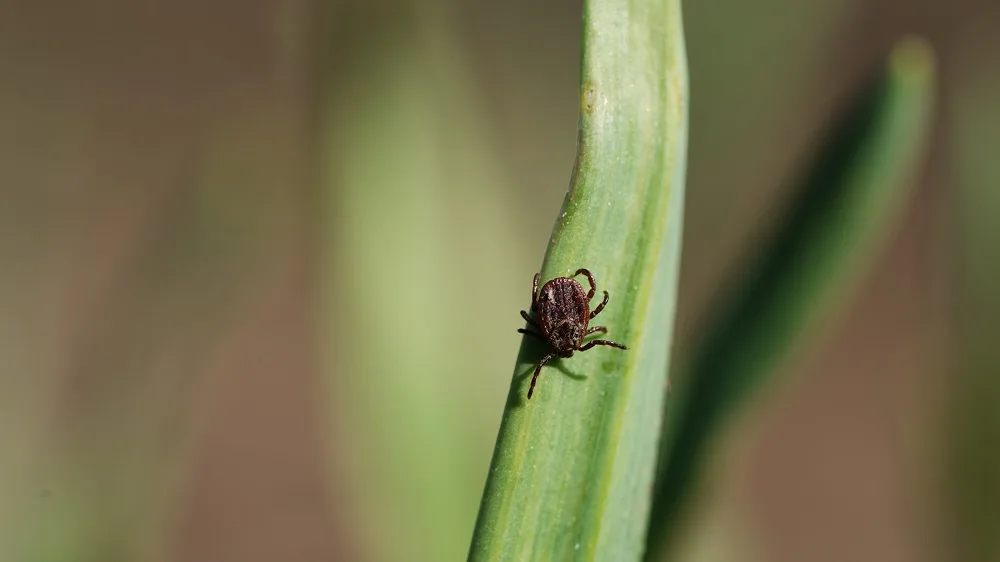
- Blacklegged tick, also called the deer tick (Ixodes scapularis): This tick is the primary species tied to Lyme disease risk in Pennsylvania. The Pennsylvania DEP blacklegged tick page notes that blacklegged tick nymphs are linked to much of the Lyme disease transmission risk because of their small size and seasonal activity.
- American dog tick (Dermacentor variabilis): The American dog tick is commonly found in Pennsylvania and often feeds on dogs and other mammals. It’s larger than the blacklegged tick and is often found in grassy or brushy areas.
- Lone star tick (Amblyomma americanum): The lone star tick has become more common in parts of Pennsylvania. It’s known for actively seeking hosts and bites both people and pets.
- Brown dog tick (Rhipicephalus sanguineus): The brown dog tick is closely linked to dogs and dog resting areas. If carried indoors, this species can live inside homes, kennels, and other protected spaces.
How Can Tick Bites Be Prevented?
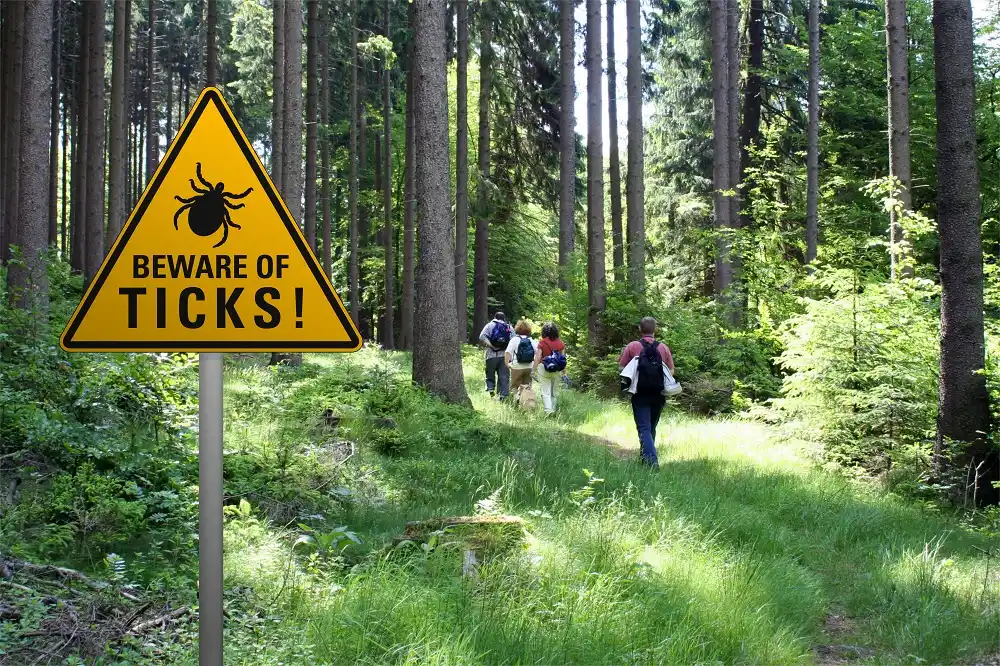
Tick bites can expose people and pets to disease-causing pathogens, so preparation matters before outdoor time and after coming back inside. Pennsylvania’s Department of Health notes that ticks can be found in long grass, weeds, leaf piles, wooded areas, and even residential yards.
To help reduce tick exposure:
- Mow the lawn regularly.
- Clear leaf piles, brush, and overgrown vegetation.
- Keep children and pets away from tall grass and wooded edges when possible.
- Walk in the center of trails.
- Check pets after they spend time outside.
- Check your clothing, gear, and body after outdoor activities.
- Shower soon after coming indoors.
- Use EPA-registered repellents according to the label.
- Ask your veterinarian about tick prevention for pets.
Ticks don’t jump or fly. They wait on grass, brush, leaves, shrubs, and other vegetation, then latch onto a person or animal that brushes past. To lower the chance of ticks being carried inside, we recommend regular yard maintenance and careful tick checks.
Tick activity can also be affected by animals moving through the yard, which is why it helps to know how wildlife pest control in Pennsylvania connects to outdoor pest pressure.
Why Is It Important to Prevent Tick Bites?
Ticks can carry diseases such as Lyme disease, anaplasmosis, babesiosis, ehrlichiosis, Rocky Mountain spotted fever, and Powassan virus. Lyme disease remains the most frequently diagnosed tickborne illness in Philadelphia residents, and cases of other tickborne diseases are reported every year.
More recent Philadelphia public health data also gives homeowners a strong reason to take ticks seriously. The Philadelphia Department of Public Health reported that blacklegged ticks were found at 22 of 32 sampled city sites since 2013, and about 50% of pooled blacklegged tick samples collected at those sites between 2013 and 2024 tested positive for Lyme disease.
Spring tick activity often overlaps with broader seasonal pest activity in Pennsylvania, especially after mild weather and increased outdoor moisture.

Doing All This Yourself? Ticks Still Slip Through.
Prevention tips help, but ticks are small, fast, and easy to miss. Let our team inspect your yard and treat the spots DIY methods usually miss.

Pest Control Technicians, Inc. Can Help Protect Your Yard
Checking for ticks is a smart habit, but unfortunately, many ticks are small enough to miss. This is where a professional tick control service comes in. They can help reduce tick pressure around the areas where ticks are most likely to wait for a host, such as shaded grass, brush, leaf litter, fence lines, wooded edges, and pet activity zones.
Pest Control Technicians, Inc. has served the Philadelphia area and surrounding Pennsylvania communities since 1976. Our team can inspect your property, identify likely tick habitat, and recommend a treatment plan that helps protect your home, family, and pets through the active season.
Contact us today for a free pest quote!
FAQs
Are ticks active before Memorial Day in Pennsylvania?
Yes. Don’t treat Memorial Day as the start of tick season in PA. Ticks can already be active earlier in spring, especially after mild weather, so homeowners should start paying attention before late May.
What should I do if I find a tick attached?
Use fine-tipped tweezers to grasp the tick close to the skin and pull upward with steady pressure. Clean the bite area afterward, and you can save the tick in a sealed bag if you want it identified. Contact a healthcare provider if a rash, fever, fatigue, or flu-like symptoms develop.
Where should I check for ticks after being outside?
Check hidden areas where ticks often attach, including behind the knees, around the waistline, under arms, behind ears, along the hairline, and around socks or shoes. Be sure to check children and pets closely after time in grass, brush, trails, or wooded areas.
Can pets bring ticks into the house?
Yes. Dogs and cats can carry ticks indoors after spending time in yards, parks, or wooded spaces. Regular pet checks, washing bedding, and asking a veterinarian about tick prevention are simple yet effective ways to reduce the chance of ticks moving from pets to people.
Does a neat lawn mean I do not need tick control?
Not always. A trimmed lawn helps, but ticks can still gather near shaded borders, fence lines, stone walls, woodpiles, shrubs, and areas where deer or rodents pass through. Properties near woods or heavy landscaping may need more targeted protection.
When should I call Pest Control Technicians, Inc. for tick control?
Get in touch with our team when ticks keep appearing on people or pets, when the property borders woods or tall vegetation, or when outdoor areas feel difficult to enjoy. Our experts at Pest Control Technicians, Inc. can inspect the property and focus treatment on the areas where ticks are most likely to wait for hosts.