
7 Steps to Get Rid of Rats in Your House
Finding rats scurrying across your floor or hearing scratching noises in your walls can make anyone uneasy. Unfortunately, rat infestations are common across Southeastern Pennsylvania, especially in older homes or properties surrounded by trees, bird feeders, or open fields.
If you’re dealing with a rat problem, don’t panic, as there are proven steps you can take to get rid of rats in your house and prevent them from returning. To eliminate the problem at the source, you can call in rat control services like ours at Pest Control Technicians, Inc.
Table of Contents
Rats in Pennsylvania
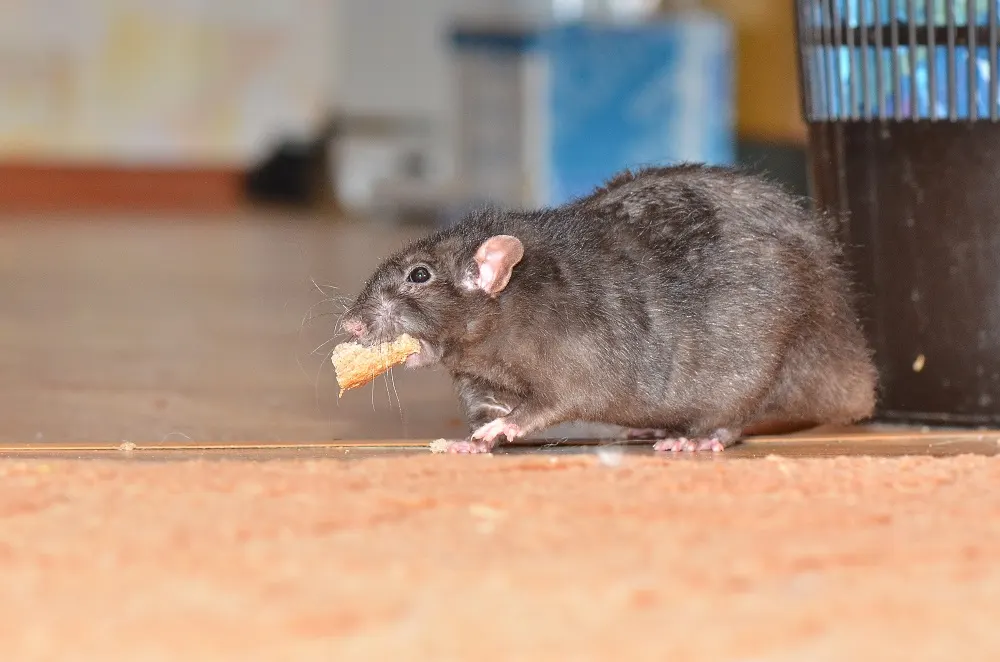
Pennsylvania homes often deal with Norway rats and roof rats, two species known for their adaptability and destructive habits. They can thrive anywhere with easy access to food, water, and shelter.
To thrive, rats need three basic things:
- Food: Leftover pet food, crumbs, garbage, bird seed, or fallen fruit.
- Water: Leaks, condensation, or puddles around the home.
- Shelter: Quiet spots like attics, walls, crawlspaces, wood piles, or old cars.
Why Rats Are Dangerous
Rats aren’t just gross; they carry risks and can cause serious damage:
- Spread disease: Leptospirosis, Salmonella, hantavirus, and rat-bite fever.
- Damage property: Gnaw through wires, wood, and insulation — creating fire risks. A single rat can consume ~40 pounds of food annually.
- Contaminate food: With droppings, urine, and hair.
- Weaken structures: Tunneling can harm foundations, walls, and drywall.
Signs Your Property Has a Rat Infestation
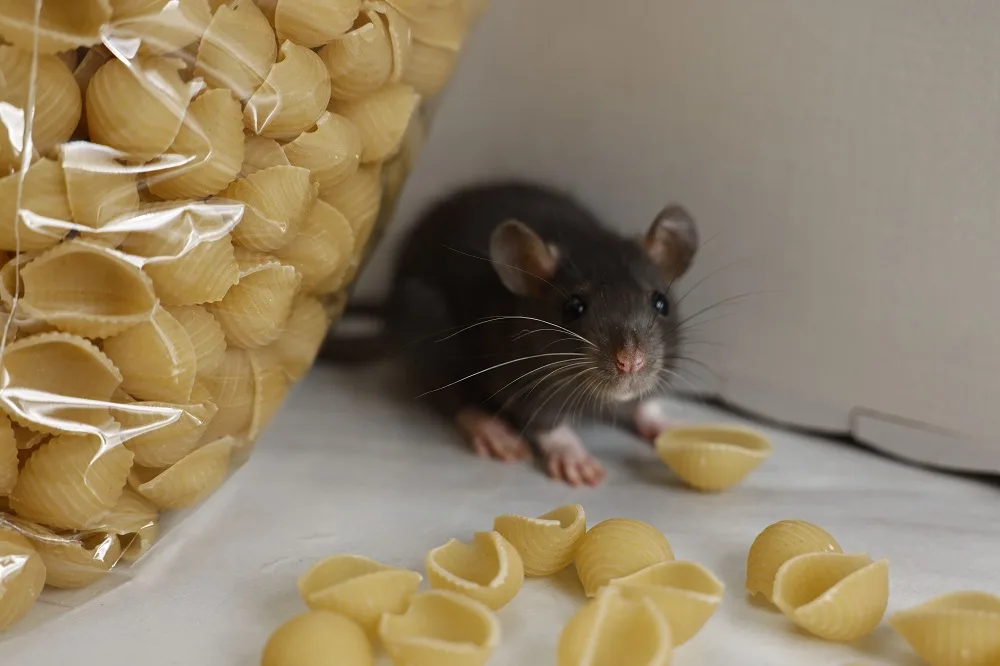
Wondering if you have a rat infestation in your home or commercial property? Start by looking for any of these signs:
- Droppings: Dark, pellet-shaped waste along walls or behind appliances.
- Noises: Scratching in walls, ceilings, or attics, especially at night.
- Damage: Chewed wires, wood, plastic, or food packaging.
- Nests: Shredded paper or insulation in attics, crawlspaces, or behind appliances.
- Odor: Musty or ammonia-like rat pee smell in enclosed spaces.
- Burrows: Holes near the foundation or in the yard.
- Grease marks & tracks: Rub marks or footprints along walls and dusty areas.
If you see even one of these signs, there's likely more activity behind the scenes.
How to Get Rid of Rats: Step-By-Step
If you’ve spotted signs of rats around your property, acting quickly can make all the difference.
Step 1: Remove Food and Water Sources
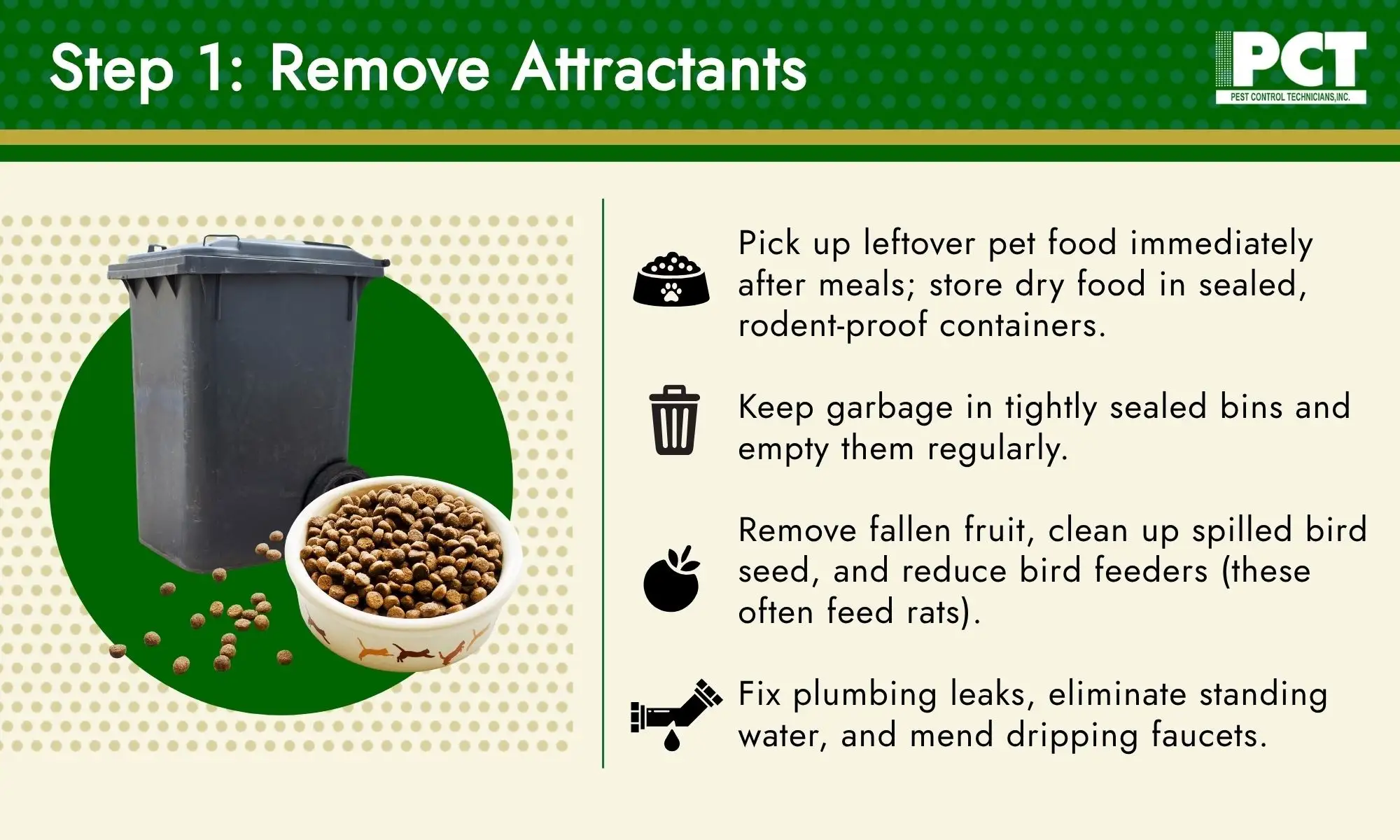
Rats are opportunistic feeders, and if they find easy access to food sources around your home, they’ll settle in fast. Start by eliminating what attracts them.
Store all food and pet feed in sealed, rodent-proof containers, and keep trash bins tightly closed. Clean up fallen fruit, spilled bird seed, and fix plumbing leaks or standing water indoors and outdoors.
Step 2: Seal All Possible Entry Points
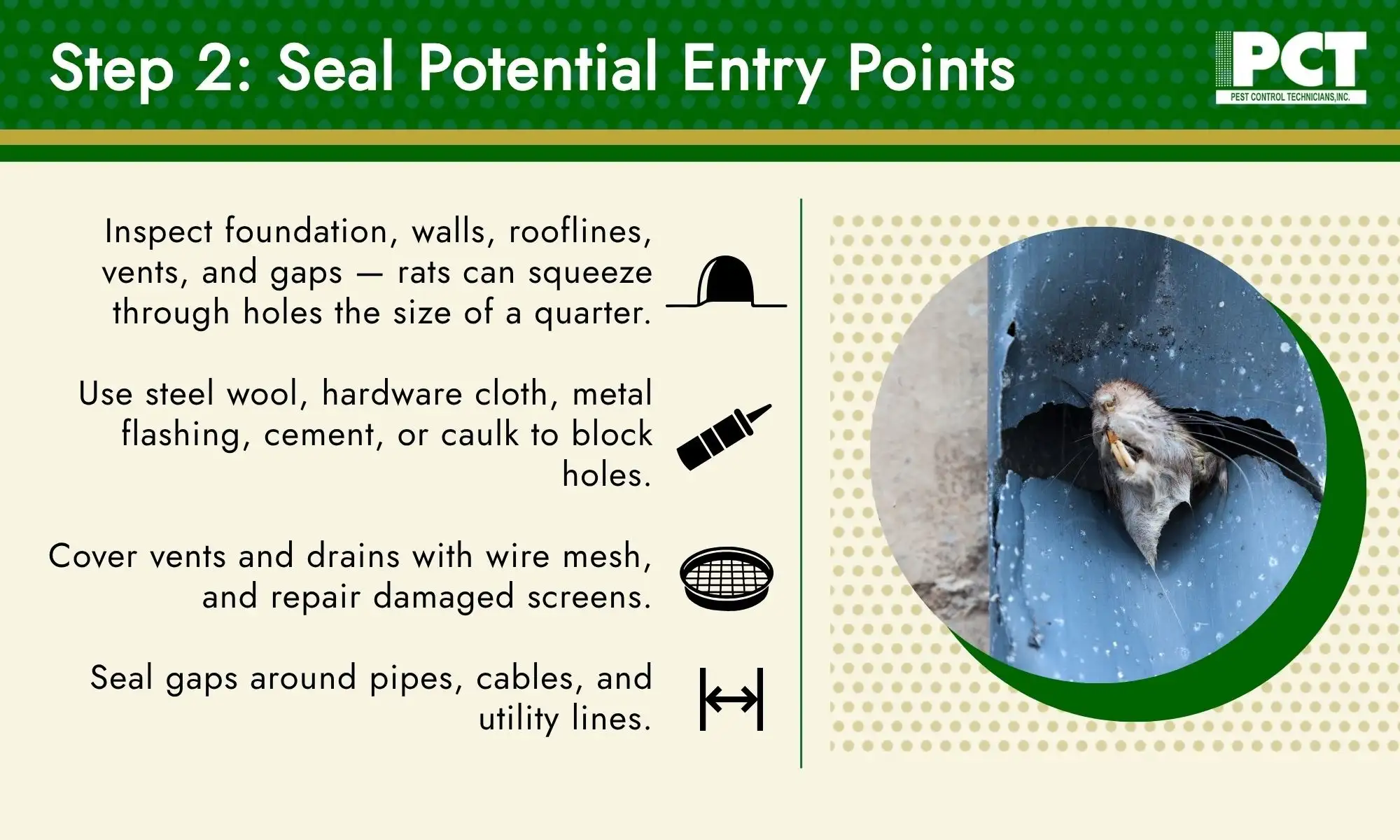
To prevent rats from entering your home, inspect it carefully from top to bottom. Close gaps around pipes, vents, doors, and attics using steel wool, hardware cloth, or metal flashing. Even small openings can let rats in, so seal them thoroughly.
Step 3: Reduce Shelter and Hiding Spots
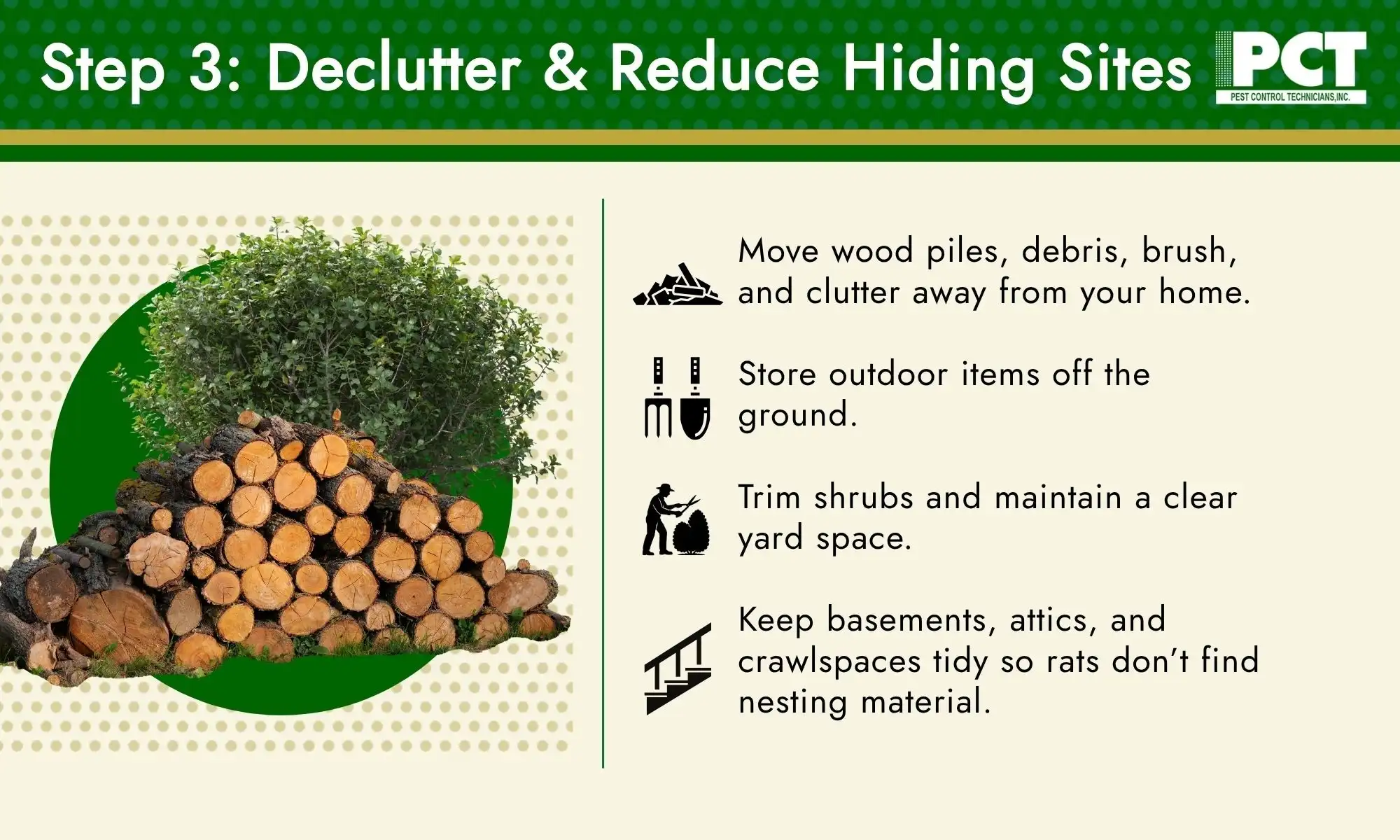
Clear clutter inside and out. Move wood piles and debris away from the foundation, trim bushes, and keep grass short. Indoors, you can tidy up basements, attics, and garages, removing materials rats might use to nest.
Step 4: Set Traps or Bait Stations
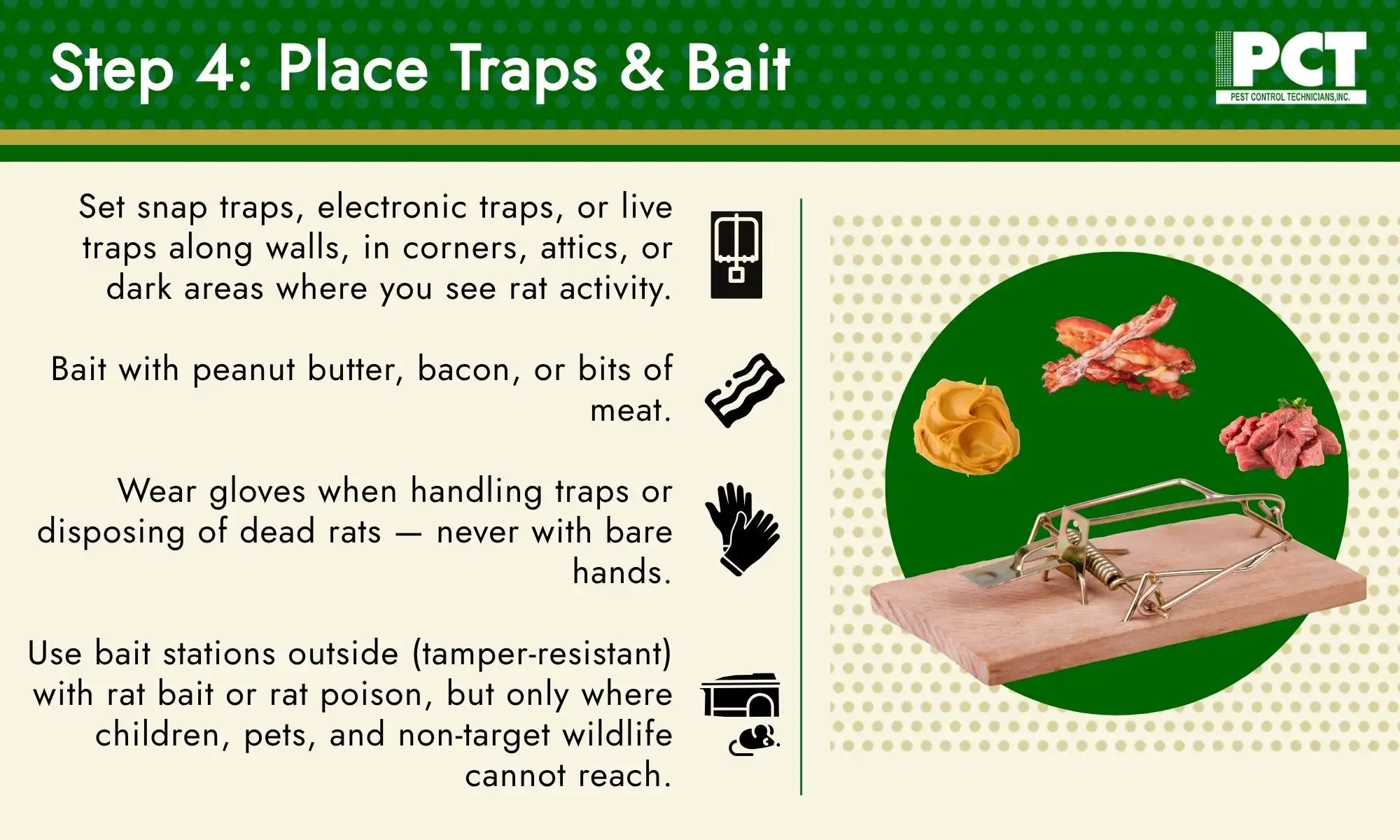
Place snap traps or bait stations where you see droppings or gnaw marks, such as along walls, behind appliances, or near burrows. Always wear gloves when handling traps or dead rats, and keep poison baits away from pets and children.
Step 5: Remove and Sanitize
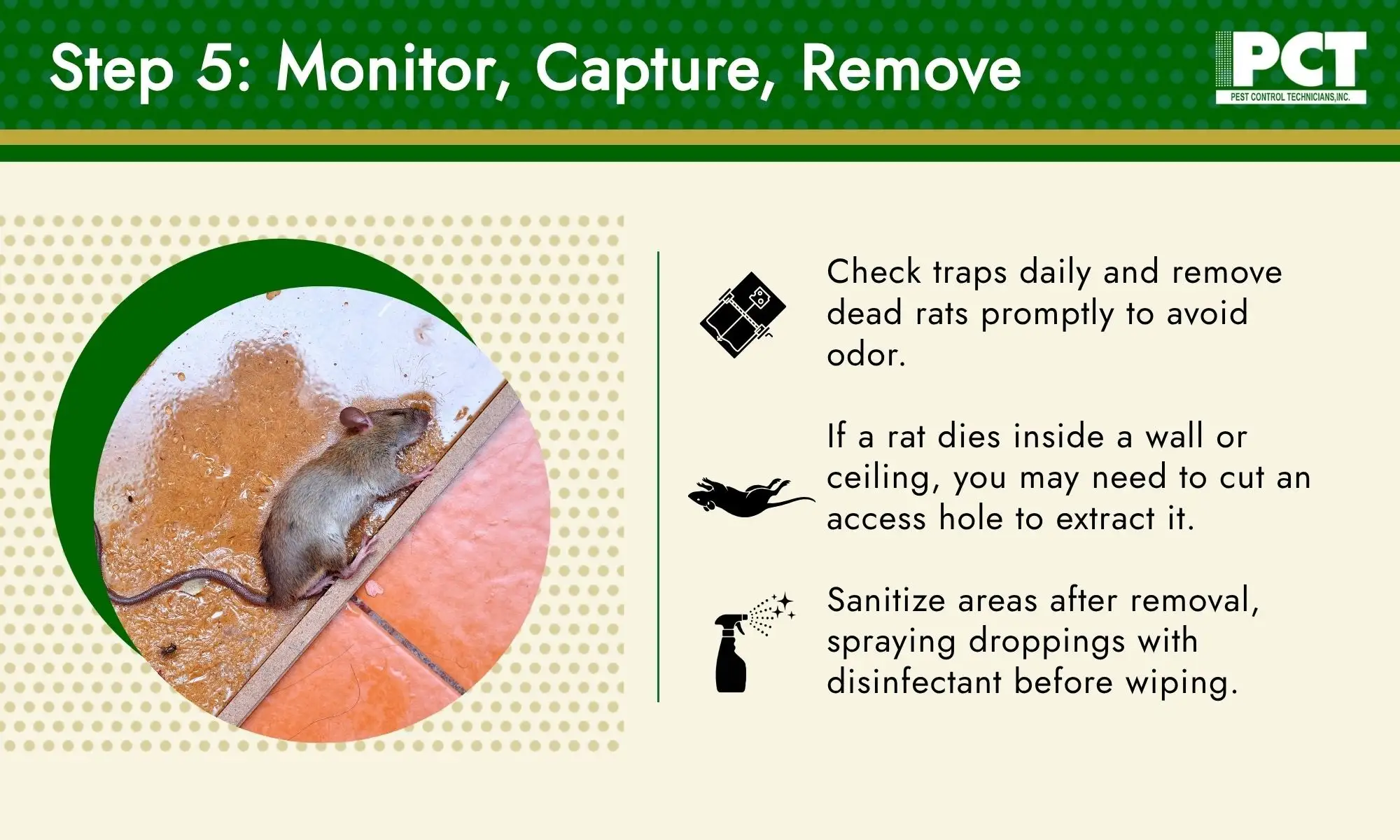
Clean and disinfect all areas that have rat droppings or nests. Never dry-sweep; spray with disinfectant first to avoid airborne bacteria. Dispose of contaminated materials and remove any dead rodents right away to prevent odors from lingering.
Step 6: Monitor and Maintain
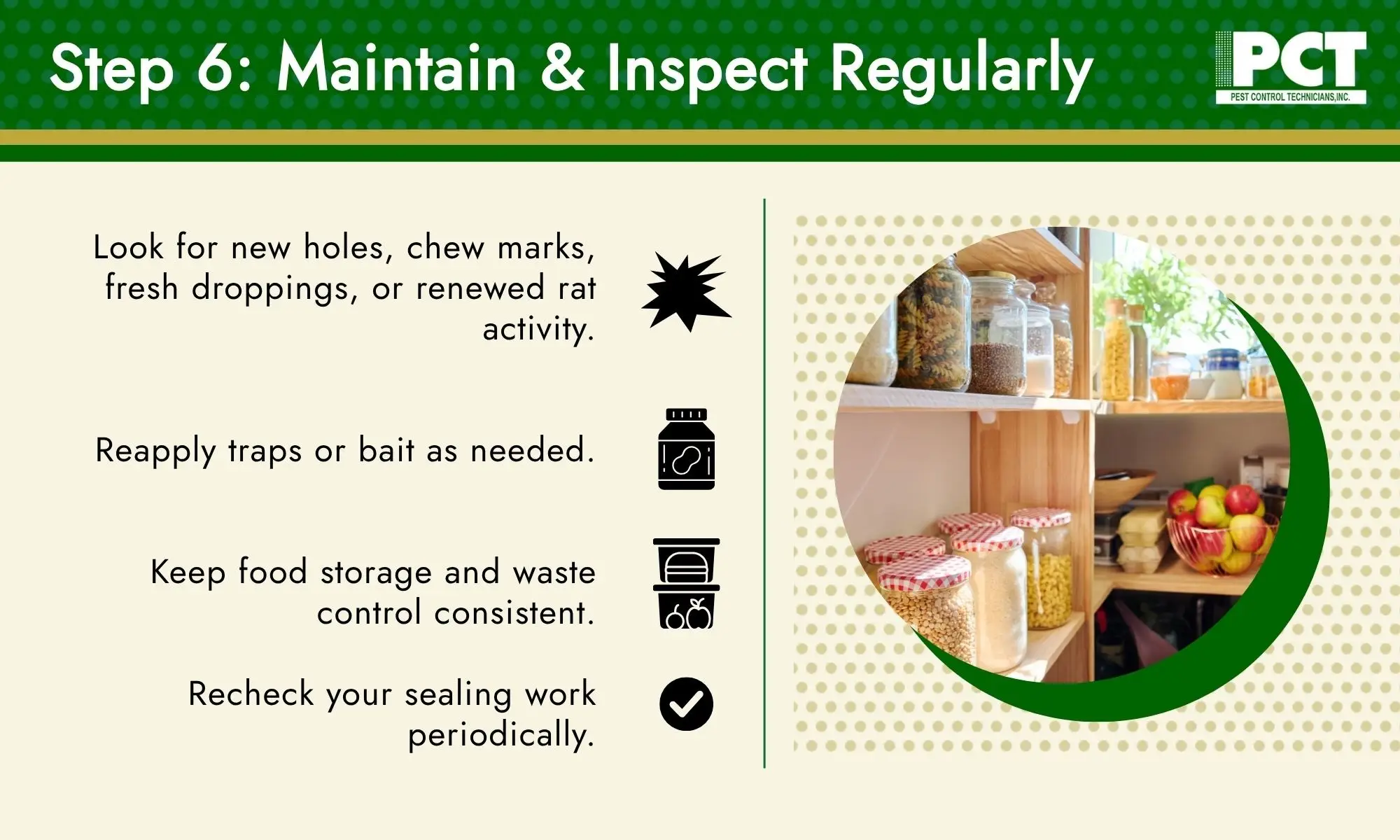
Getting rid of rats is not a one-time job; it’s an ongoing process. Continue to inspect your property for new entry holes, gnaw marks, or fresh rat droppings. Reset traps periodically and monitor bait stations to ensure they’re still active.
Keep food tightly sealed, trash under control, and your yard free of debris.
Step 7: Call the Professionals
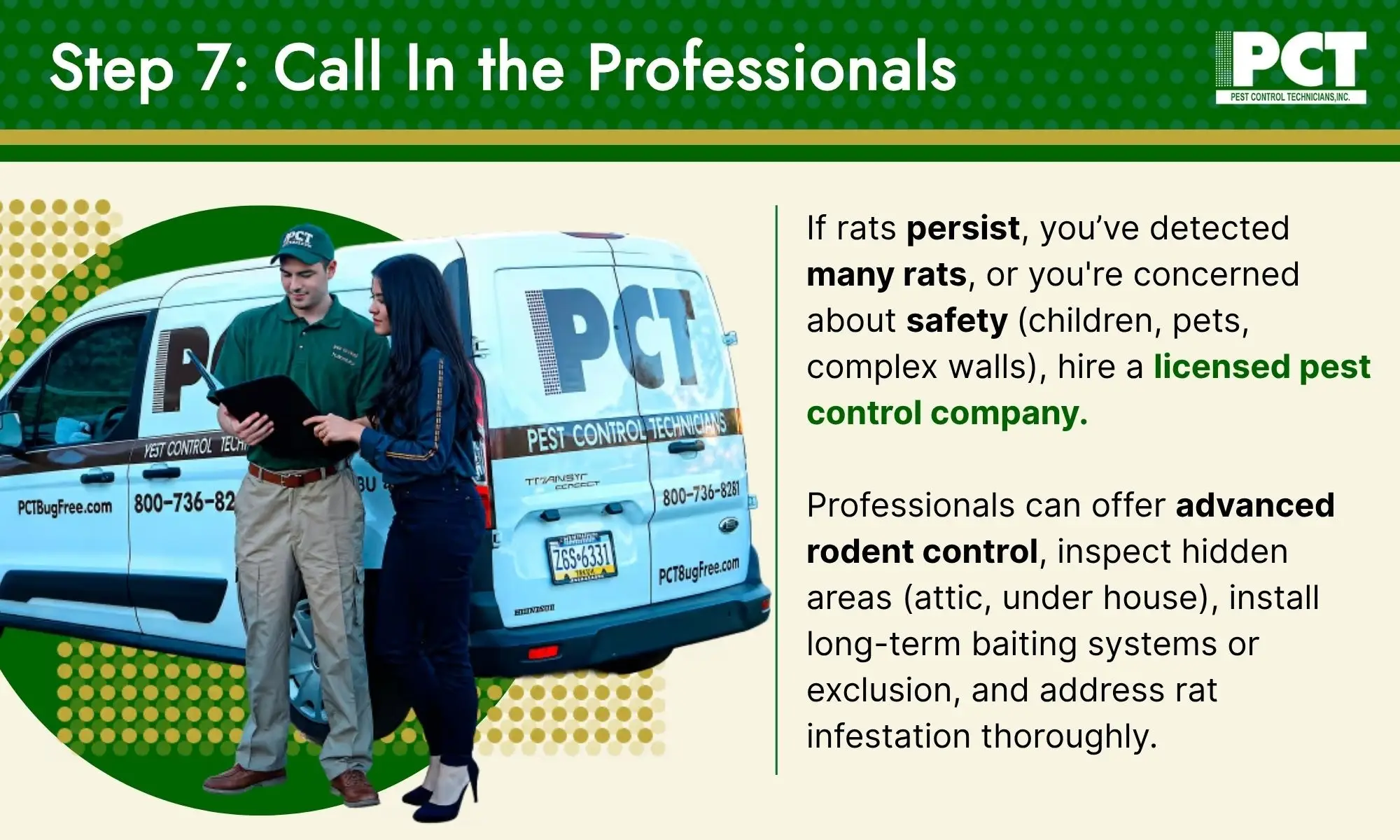
If you’ve followed all these steps and still notice rats, or you suspect you’re dealing with many rats hidden behind walls or ceilings, it’s time to call the pros. Don’t let rats settle into your home. Professional pest control companies have the experience, tools, and products to control rats safely and efficiently. They can also offer annual pest control plans to protect your property all year long, providing you with lasting peace of mind.
Experts can identify hidden entry points, apply targeted bait stations, and ensure that your home remains rodent-free for the long term. Partnering with a trusted pest control provider ensures your rat infestation is handled the right way — quickly, safely, and completely.
Stop Rats Before They Take Over
Get professional rodent control tailored to your property's needs. Our experts use safe, effective methods, and with our annual protection plans, we’ll keep rats away for good.

Reclaim Your Home from Rats with Pest Control Technicians, Inc.
If you’ve tried everything and still hear scratching behind the walls, it’s time to call pest control professionals to eliminate the problem at the source.
Pest Control Technicians, Inc. has been serving Montgomery, Bucks, Chester, Delaware, and Berks Counties for decades. Our certified technicians specialize in identifying entry points, setting safe bait stations, and offering long-term rodent control plans, including annual pest control contracts. Keep your home or commercial property safe with science-backed methods that actually work.
Don’t wait for rats to spread or cause costly damage; get a quote today and let us take care of the problem quickly and safely.
FAQs
How can I get rid of rats in the walls and ceiling?
You’ll need to seal all entry points with steel wool or hardware cloth to stop new rats from entering. Set snap traps or bait stations in nearby areas, not inside walls, to avoid dead rodent odors. Once their activity stops, clean and disinfect the area.
How can I get rid of rats in the attic?
Inspect your property for roof gaps, vents, or wiring holes and seal them. Remove clutter and set traps along walls or beams where you see droppings. Avoid using poison, as dead rats in insulation can cause strong smells.
How to get rid of rats under the house?
Rats often burrow under foundations or crawlspaces. Use bait stations or traps near entry holes, seal cracks with hardware cloth, and reduce moisture or standing water. Keep vegetation and wood piles away from the foundation.
How do I get rid of rats outside or in my yard?
Remove fallen fruit, bird seed, and open trash. Keep wood piles and debris away from the house, trim vegetation, and seal foundation cracks. Use traps or bait stations near burrows, but avoid open poison around pets or wildlife.
What’s the best way to get rid of rats in my garage?
Store food and pet feed in sealed containers, close all gaps, and remove any standing water. Set traps along walls where you see droppings or gnaw marks. If your issues are ongoing, use professional bait stations.
How do I get rid of rats in a chicken coop?
Keep feed in metal containers, clean spills daily, and raise the coop off the ground. Seal holes with hardware cloth buried 12 inches deep. Use traps outside the coop to avoid harming chickens.
How do I eliminate the smell of a dead rat?
Find and remove the dead rodent using gloves and a mask. Disinfect the area and use baking soda, charcoal bags, or odor absorbers. If the smell lingers, professionals can locate carcasses hidden in walls.
How do I get rid of the rat pee smell?
Spray affected areas with a bleach solution or enzymatic cleaner, and never dry-sweep droppings or urine. Replace soiled insulation or carpet padding if odors persist.
How can I get rid of rats without using poison?
Focus on traps, sealing entry points, and removing food sources. Use snap or live traps, and maintain cleanliness. For lasting results, consider an annual pest control contract for non-toxic yet effective prevention.