








Common Crickets Found in Philadelphia Homes
Several cricket species can show up in and around local homes. Knowing which type you have helps determine the most effective treatment.
House Crickets (Acheta domesticus)
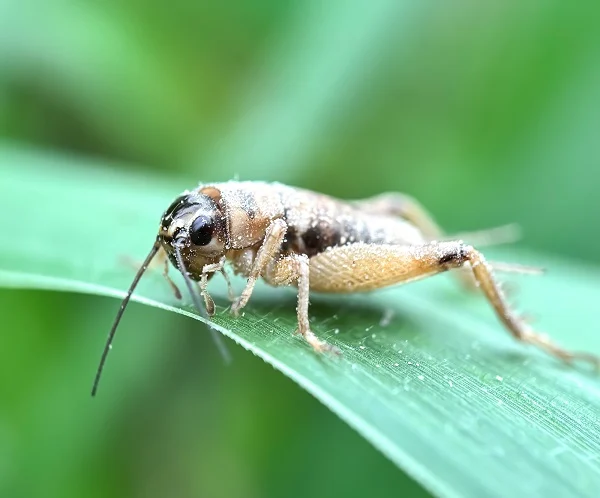
These crickets are light brown to dark brown with three dark bands on the head and long, thin antennae. They are nocturnal and known for their distinctive chirping sound, especially from male crickets calling for mates. Indoors, they may feed on fabrics, paper, and leftover food crumbs.
Cave Crickets / Camel Crickets
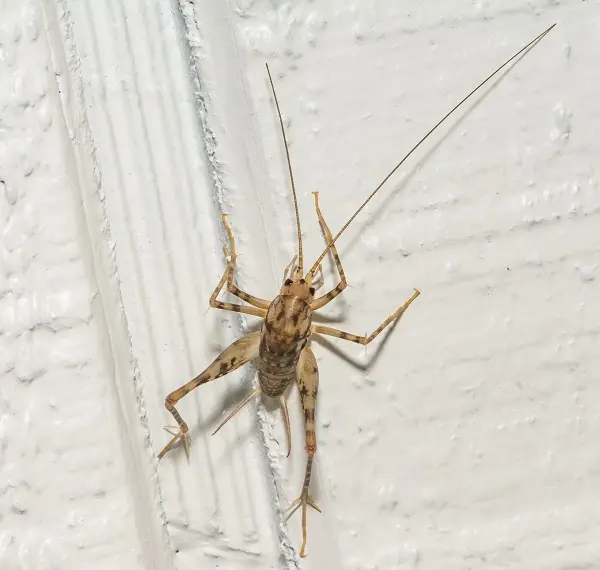
Often called “spider crickets” due to their long legs and humpbacked appearance, cave crickets are wingless, silent, and favor moist areas like basements, crawl spaces, and under porches.
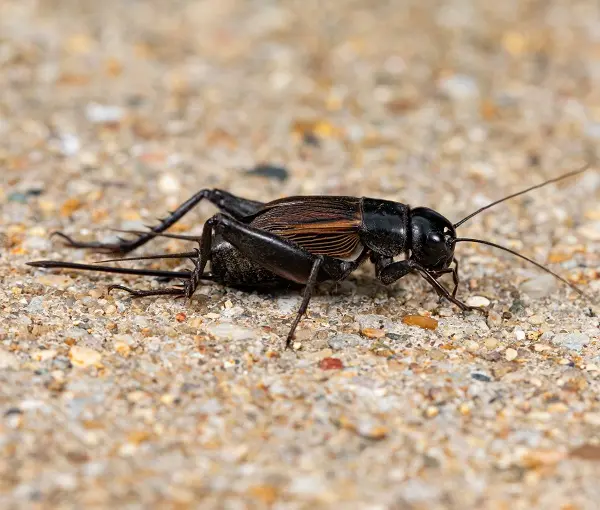
Field Crickets
Usually dark brown to black, these crickets primarily live outdoors but may wander inside during cool weather. When trapped inside, they can damage fabrics and paper.
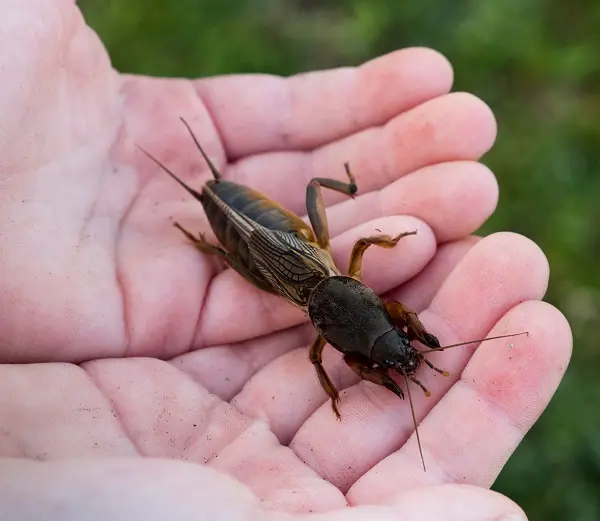
Mole Crickets
Rare in Pennsylvania but worth noting — they are soil-dwelling crickets that can damage lawns and flower beds by tunneling. They are more common in southern climates but occasionally introduced elsewhere via potted plants or turf.
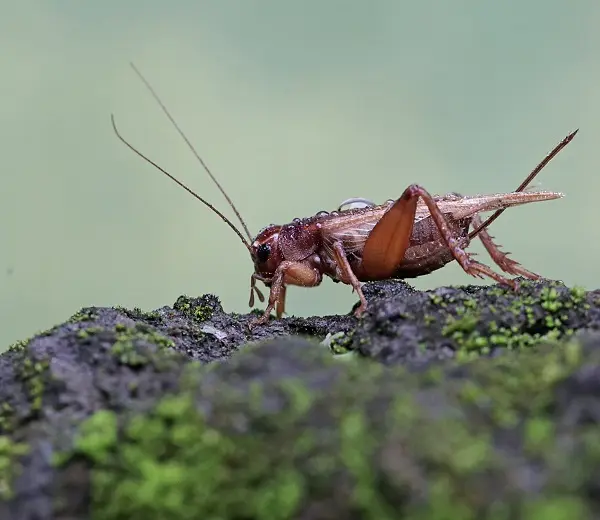
Other Crickets
Occasionally, other species may be brought indoors accidentally, often hiding in firewood, garden materials, or potted plants.
Professional Cricket Control Services in Philadelphia
Crickets are opportunistic pests that attract other insects and predators such as spiders and centipedes. Our comprehensive services target active infestations and help prevent future ones.
Residential Cricket Control
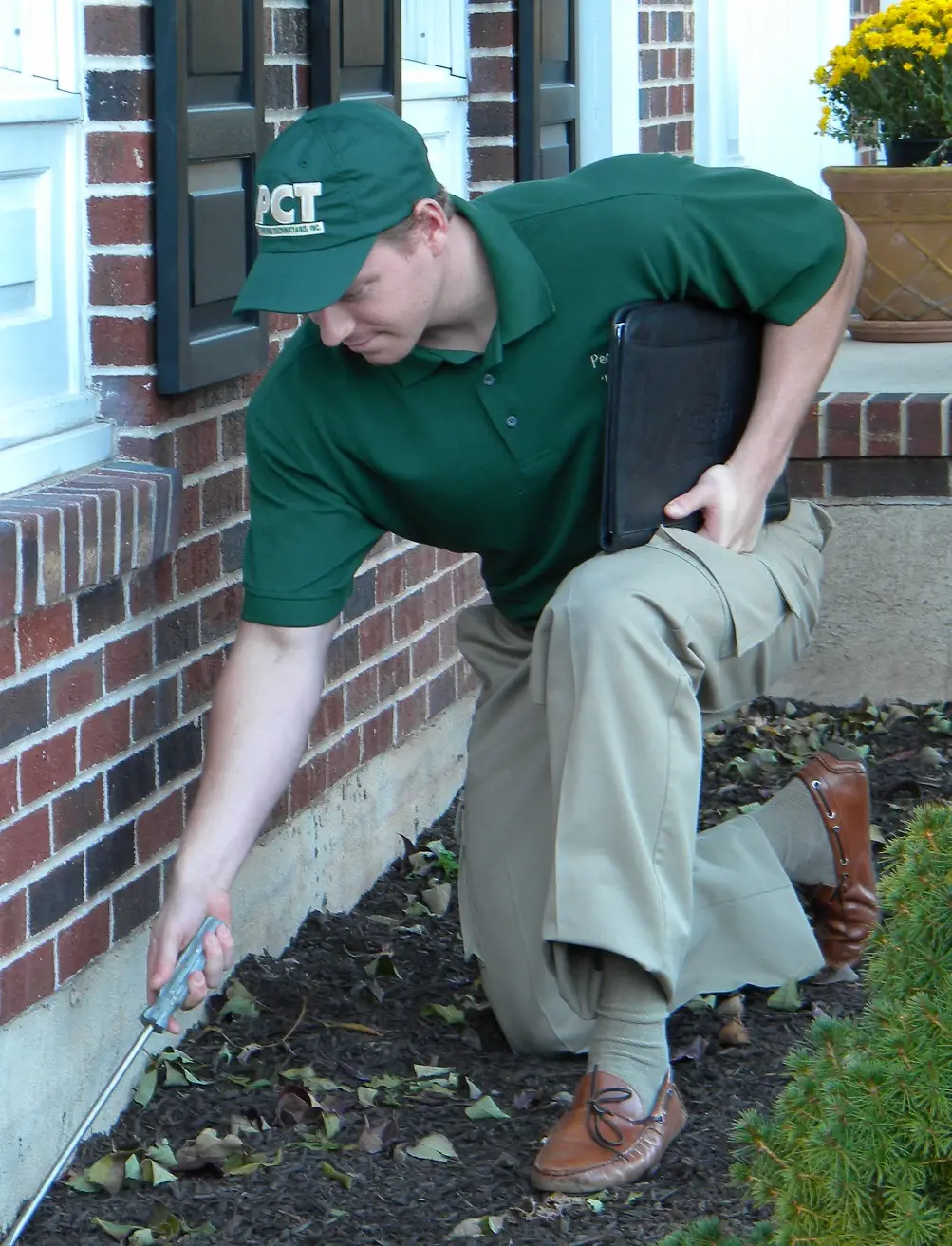
We inspect every part of your home where crickets might hide, including basements, attics, crawl spaces, garages, and laundry rooms. We apply treatments to cracks, crevices, and other harborage areas, while our exclusion work seals entry points around doors, window frames, and vents. We also address conditions like leaky pipes, standing water, and poor ventilation that make your home attractive to crickets. Our goal is to stop both the noise and the damage.
Commercial Cricket Control
In offices, warehouses, restaurants, and apartment complexes, crickets can be a distraction and a sign of poor sanitation. Our services are discreet, so we can protect your reputation while eliminating infestations. Our technicians work with you to develop a schedule that won’t disrupt business, and we include prevention measures to keep pests from returning.

Remove Crickets from Your Property for Good
Call us now to schedule your inspection and get lasting protection for your home or business.
Signs of a Cricket Infestation
A single cricket might not be cause for alarm, but multiple signs usually mean you have an infestation:
- Their signature sound is usually made by male crickets calling for mates and can become loud enough to disrupt sleep.
- Crickets can be seen hopping along baseboards, near appliances, inside closets, or in moist areas like bathrooms and basements.
- They make small, irregular holes in clothing, curtains, wallpaper, books, or stored paper goods.
- They love outdoor lights, and large numbers can be seen gathering under porch lights or streetlamps, then moving toward the house.
What Attracts Crickets to Your Home?
Crickets are drawn to specific conditions that your home or yard might be providing, such as:
- Moisture: High humidity, leaky pipes, standing water, and water-damaged areas create perfect cricket habitats.
- Light sources: Bright outdoor lighting at night can lure crickets from your yard directly toward your home.
- Shelter and harborage: Compost piles, dense mulch, yard debris, and flower beds provide hiding places.
- Food sources: Pet food, food crumbs, decaying plant material, and other insects can feed crickets.
- Easy access points: Unsealed doors, window frames, foundation cracks, and gaps in siding give crickets a way inside.
Prevent Crickets Before They Become a Problem
Book a maintenance plan today and keep your home quiet and cricket-free year-round.
How to Get Rid of Crickets Permanently
While DIY efforts like sealing gaps, reducing moisture, and changing outdoor lighting can help reduce the threat of a cricket infestation, professional cricket pest control offers a far more thorough and long-lasting solution. This is why our process is designed to address both the visible insects and the hidden conditions that allow them to thrive.
- Thorough inspections: We carefully examine basements, crawl spaces, attics, garages, and any areas where crickets may be hiding. Outside, we look for activity around flower beds, compost piles, lawn edges, and other common harborage spots.
- Targeted treatments in cracks and crevices: Our technicians apply precision treatments to the places crickets actually live, including along baseboards, behind appliances, around utility penetrations, and under outdoor structures.
- Moisture control recommendations: Since crickets are drawn to moist areas, we provide guidance on fixing leaky pipes, improving ventilation, and addressing standing water inside or outside the home.
- Sticky traps and diatomaceous earth: We deploy sticky traps in high-traffic areas to capture active crickets and monitor activity. In some situations, we apply diatomaceous earth to dry out and kill crickets that come into contact with it.
- Follow-up visits: Crickets can re-enter from outdoor sources, so we offer follow-up service to check for ongoing activity, close any new entry points, and ensure the population has been eliminated.
Cricket Facts You Should Know
- They are most active after dark, using the night hours to search for food and mates. This is why chirping often becomes more noticeable in the late evening and overnight.
- While they typically live outdoors in grass, soil, and garden areas, crickets will seek shelter inside during cool weather, heavy rains, or drought conditions.
- In warm, humid environments, house crickets can complete their life cycle inside and live year-round without needing to return outdoors.
- Crickets don’t bite, and they won’t harm people or pets directly, but they can chew holes in fabrics, paper, cardboard, wallpaper, and other stored goods.
- Controlling indoor humidity, repairing leaks, and minimizing outdoor lighting at night can make your property far less attractive to crickets and help prevent infestations.