
How Much Does It Cost to Get Rid of Termites in PA?
For most Pennsylvania homes, professional termite treatment runs $500 to $3,000, with factors like the type of infestation, property size, and treatment method all impacting the final price. In this guide, our professionals break down the costs of termite control in PA, explain the methods we use, and give tips to prevent future infestations.
Table of Contents
What Affects Termite Treatment Costs in Pennsylvania?
No two infestations are alike, which is why termite treatment costs vary widely. Several factors drive the final number:
- Infestation size and severity: A localized problem in one area is far less expensive than a colony that has spread through walls, crawl spaces, and framing. The larger the infestation, the more labor and materials are required.
- Treatment method: Liquid barriers, bait systems, and fumigation each carry different price points. More on this below.
- Property size: Larger homes and commercial buildings need more product and more time. Treatment for a 3,000 square foot home costs more than the same job on a 1,200 square foot rancher.
- Accessibility: Crawl spaces, multi-story structures, and finished basements add labor time. Harder-to-reach areas mean higher costs.
- Ongoing monitoring: Some treatment plans include annual inspections and re-treatments, which factor into the total investment.
Termite Treatment Costs in PA: A Full Breakdown
Here's a realistic look at what you can expect to pay for the most common termite control methods in Pennsylvania in 2026:
Note: These are estimates. A licensed pest control professional will assess your unique property and provide an accurate quote based on your situation.
Which Treatment Method Is Right for Your Home?
The best approach depends on the species you're dealing with and how far the infestation has spread.
Liquid Termiticide Barriers
This is the most common method used against subterranean termites, which is the species responsible for the majority of infestations in PA. Technicians apply termiticide to the soil around your foundation to create a continuous chemical barrier. Termites that pass through it are eliminated, and the colony gradually collapses. This approach is effective, long-lasting, and suitable for most residential and commercial properties.
Bait Stations
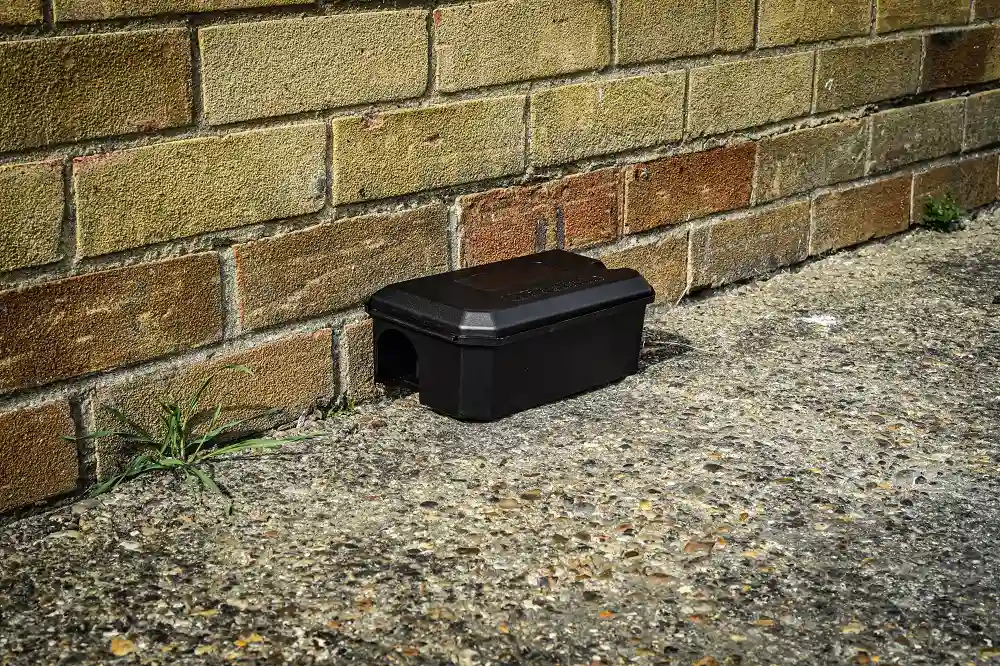
Bait stations are installed in the ground around your property at regular intervals. Worker termites carry the slow-acting bait back to the colony, where it spreads and ultimately eliminates the entire population. This method is less disruptive to the environment around your foundation and works well for ongoing prevention. It does require periodic monitoring, usually every few months, to remain effective.
Fumigation
Fumigation (also called tenting) is used primarily for drywood termite infestations, which are less common in Pennsylvania. The whole structure is sealed and filled with gas that penetrates all wood surfaces. It's one of the most thorough treatment options available, but it requires residents to vacate the property for 24–72 hours. Because drywood termites are relatively rare in PA, most homeowners won't need this method.
Spot Treatments
Spot treatments target a specific, localized area, such as a piece of furniture, a single beam, or a section of flooring. They work well when the infestation is caught early and hasn't spread. Injecting termiticide directly into infested wood or treating the soil beneath a small area can address minor infestations at a lower cost.
Warning Signs: How to Know You Have Termites
Termites rarely announce themselves. Unfortunately, by the time most homeowners notice damage, the colony has been active for months. Watch for:
- Mud tubes: Pencil-sized tunnels along your foundation, crawl space walls, or basement are the main highway for subterranean termites.
- Hollow or damaged wood: Tap wooden beams or floors — a hollow sound is a red flag. Termites eat wood from the inside out, leaving a thin outer shell.
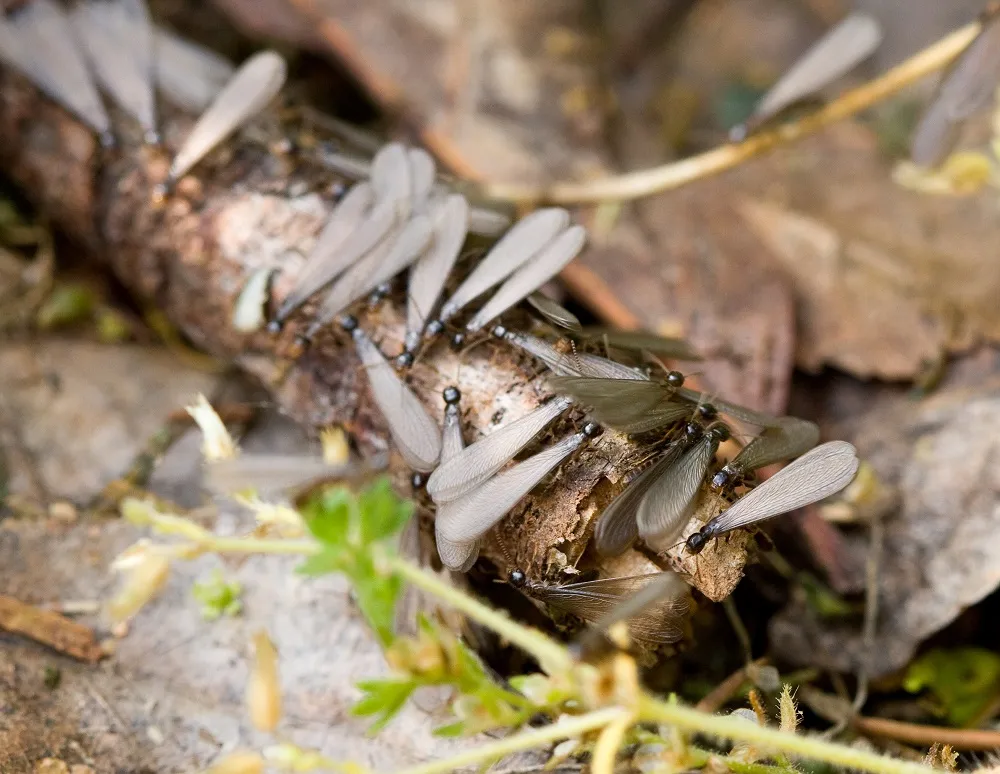
- Discarded wings: Swarmer termites shed wings near windows and light sources after emerging to start new colonies. Piles of wings are an early warning sign.
- Frass: Drywood termites leave behind small, pellet-shaped droppings near infested wood.
- Stuck doors and windows: As termites damage wood framing, doors and windows can warp and become difficult to open or close.
If you notice any of these signs, the next step is a professional inspection. The sooner you identify the problem, the less expensive the treatment will be, and the less structural damage you'll face.
DIY vs. Professional Termite Treatments
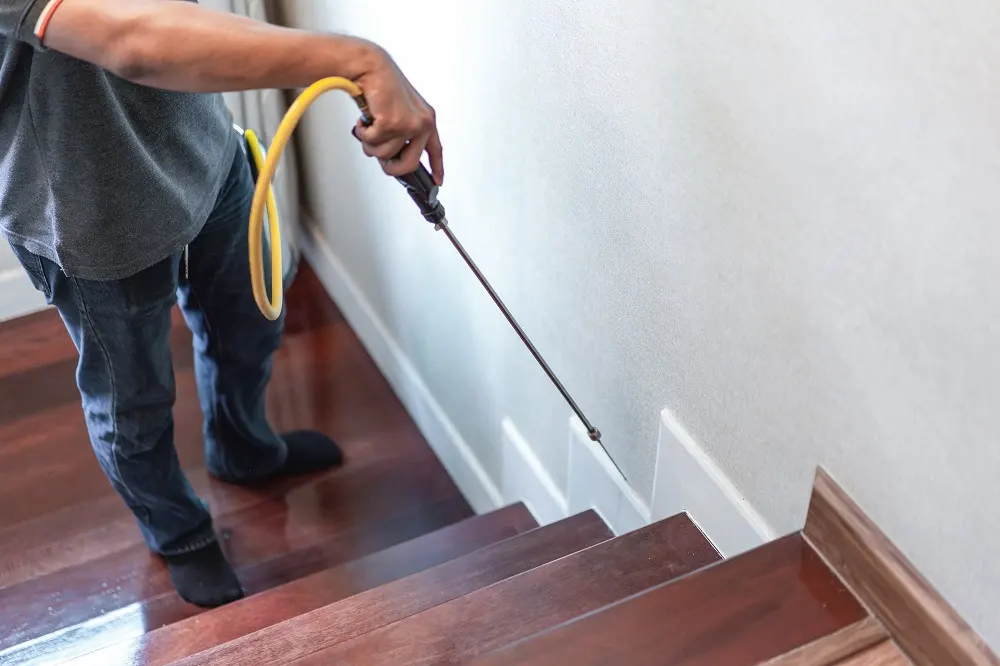
A do-it-yourself approach can be tempting when facing a potentially expensive termite problem. Here's what you need to know:
DIY options include borate wood treatments, orange oil for drywood termites, and over-the-counter bait kits. These can reduce surface-level activity in minor infestations, but they rarely reach the full colony, especially with subterranean termites, whose queens can live deep underground.
On the other hand, professional treatments are backed by training, specialized equipment, and access to commercial-grade products that aren't available at hardware stores. Most reputable pest control companies also offer re-treatment guarantees: if termites return after treatment, the company will come back at no additional cost.
The bottom line: for anything beyond a very small, localized infestation, professional treatment is the best way to achieve lasting results.
How to Prevent Termites Before They Arrive
Termite prevention saves thousands in future treatment and repair costs. The Pennsylvania Department of Agriculture notes that proactive maintenance is one of the most cost-effective strategies a property owner can take. Here are some practical steps:
- Keep firewood, lumber, and mulch away from your foundation.
- Fix moisture problems — leaky pipes, poor drainage, and damp crawl spaces attract termites.
- Seal cracks in your foundation and exterior walls.
- Inspect wooden decks, fences, and outdoor structures annually.
- Use termite-resistant materials like pressure-treated wood when renovating or building.
- Schedule a professional inspection every 1–2 years, especially in older homes.
Annual contracts with a pest control provider often include termite monitoring as part of a broader prevention plan, which is a cost-effective way to protect your property year-round.
Stop Termites Before They Destroy Your Property
At Pest Control Technicians, Inc., our certified team will inspect your property, identify the species, and recommend the most effective treatment backed by a re-treatment guarantee. Schedule your free consultation now.

Pest Control Technicians, Inc. Can Handle Termites in PA
When termites threaten your home, Pest Control Technicians, Inc. is ready to help. Family-owned and serving Pennsylvania since 1976, our certified technicians provide thorough inspections, targeted treatments, and long-term prevention plans for homes and businesses across Montgomery, Bucks, Chester, Delaware, and Berks counties. Contact us today for a free consultation and protect your property before termite damage becomes a costly repair.
FAQs
Does homeowner's insurance cover termite damage?
In most cases, no. Standard homeowner's insurance policies exclude termite damage because it's considered a preventable maintenance issue. This is another reason early detection and preventive treatment matter; catching a problem before it spreads can save tens of thousands in uninsured repair costs.
How long does termite treatment take?
We typically complete liquid barrier treatments and bait systems in a few hours for a standard residential property. Fumigation requires 24–72 hours for the treatment itself, plus airing out the structure before re-entry. During your inspection, your technician will walk you through the timeline.
How do I know if termites are gone after treatment?
Follow-up inspections are the most reliable way to confirm results, which is why many companies schedule a check-in 30–90 days after treatment. With bait systems, ongoing monitoring continues for at least a year to track activity. If live termites are found during any inspection, re-treatment is typically included under the service warranty.
Are termite treatments safe for my family and pets?
EPA-approved termiticides applied by licensed professionals are designed to be safe when used correctly. Technicians follow strict application guidelines to minimize exposure. If you have specific concerns about treatment products, ask your pest control provider for the product data sheets before work begins.
What's the difference between subterranean and drywood termites?
Subterranean termites live underground and travel through mud tubes to reach wood. They're the most common and most destructive species in Pennsylvania. Drywood termites live inside wood, don't need soil contact, and are less common in PA. Each has a different treatment approach, which is why a professional inspection to identify the species is always the first step.