








Professional Wasp Removal Services in Pennsylvania
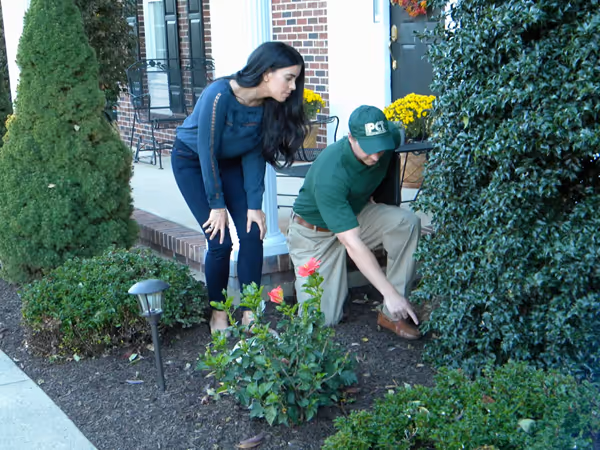
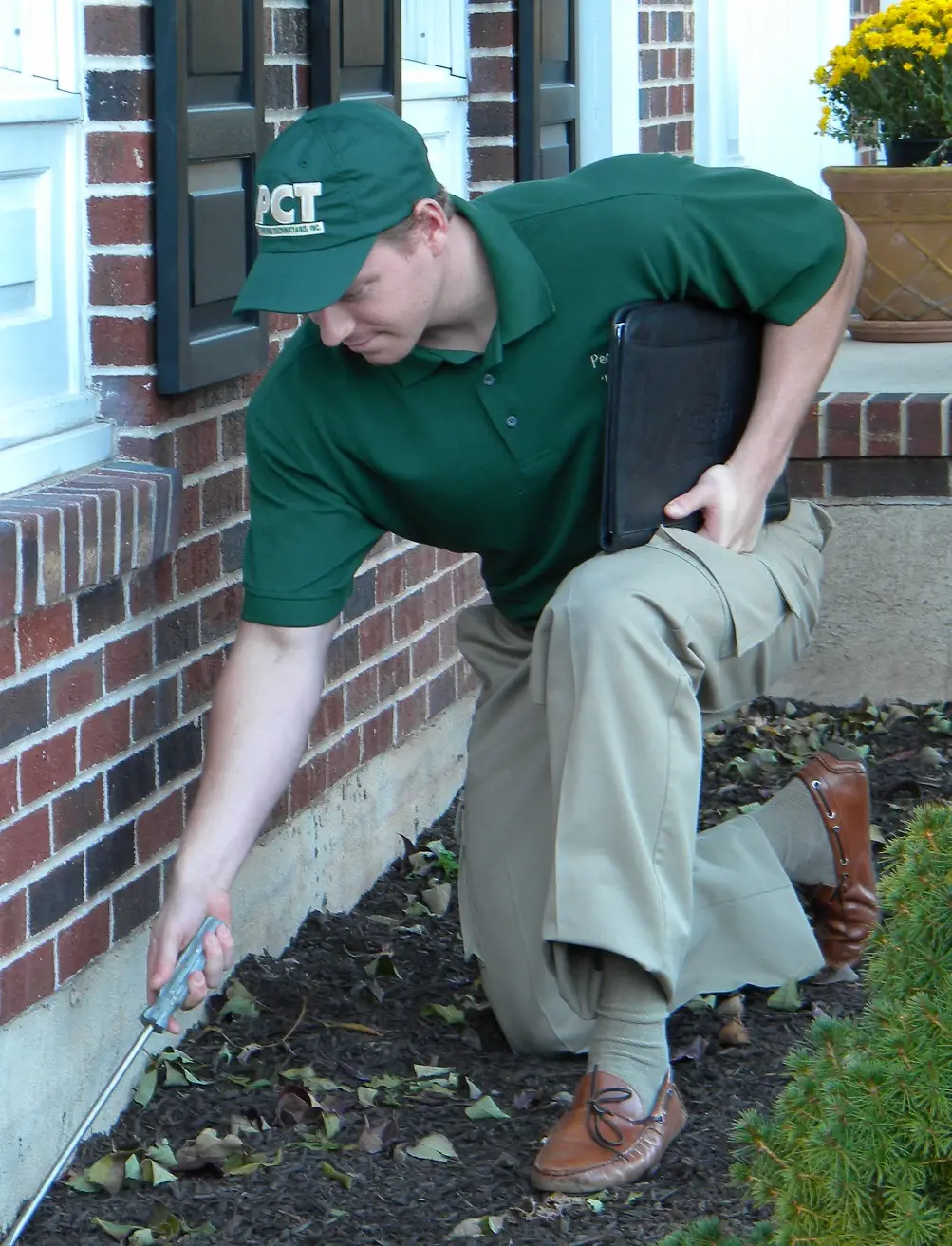
Every wasp problem is unique, and our removal strategies are adaptable to every situation. Our licensed technicians identify the specific wasp species, locate every nest, and use safe, targeted methods to remove them while preventing future issues.
Residential Wasp Removal
A wasp nest around your home can quickly turn a peaceful yard into a dangerous area. Some species become highly aggressive when disturbed, and their stings can be painful or even dangerous for those with allergies. Rely on our experts to inspect your property, target active nesting areas, and remove the threat, allowing you to enjoy your outdoor space again.
Commercial Wasp Control
Wasps near a storefront, dining area, or public space can drive away customers, create health concerns, and even result in liability problems. We provide discreet, efficient wasp control for commercial spaces, including restaurants, office complexes, and rental properties.
Schedule Your Wasp Removal Service Today
Call today for an inspection and professional wasp removal.
How to Recognize a Wasp Infestation
Not all wasp nests are visible right away, but there are warning signs you can watch for:
- Steady flight paths to and from hidden areas like attic vents, wall gaps, or fence posts.
- Small, papery nests forming under eaves, inside mailboxes, or within light fixtures.
- Wasps repeatedly entering cracks in siding, soffits, or outdoor structures.
- Unusually defensive behavior when you approach outdoor dining areas or landscaping.
- A noticeable uptick in wasp sightings during warm afternoons or early evenings.
Why Wasps Are Attracted to Your Property
Certain features can make your property more attractive to nesting wasps:
- Sweet food and drinks: Open soda cans, ripe fruit, and flowering plants bring wasps in to feed.
- Protein sources: Meat scraps, pet food, and other insects supply nourishment for developing larvae.
- Sheltered nest sites: Overhangs, hollow trees, and gaps in structures offer protection.
- Water availability: Bird baths, clogged gutters, or leaky hoses give wasps a nearby hydration source.
Stop Wasps Before They Sting Again
Ask us about our customized pest protection plans to prevent future infestations and ensure lasting peace of mind.
How Do I Get Rid of a Wasp Nest?
Removing a wasp nest requires caution and often professional help. Wasps can become highly defensive when their colony is disturbed, leading to painful stings or even medical emergencies for those allergic to their venom. If you spot a nest, it’s best to assess its location, size, and activity level before deciding on removal.
- Wear protective clothing: Long sleeves, pants, gloves, and protective eyewear can reduce the risk of stings.
- Plan for evening or early morning removal: Wasps are less active during cooler, darker hours, making them less likely to swarm.
- Use a targeted wasp spray: Apply directly to the nest’s entrance from a safe distance, following label directions carefully.
- Remove and dispose of the nest: Once you’re sure the wasps are no longer active, detach the nest using a long pole or tool and seal it in a bag.
- Consider a pest control service: Professionals should handle large or hard-to-reach nests to avoid injury.
How Do I Get Rid of Wasps When I Can’t Find the Nest?
Sometimes, wasps on your property may be nesting somewhere hidden, such as inside walls or underground. In these cases, the goal shifts from destroying the nest to reducing their presence and discouraging them from staying.
- Track flight patterns: Watch where wasps go after feeding; repeated trips to the same spot may reveal a concealed nest.
- Set baited traps: Place wasp traps away from living areas to capture foraging workers.
- Reduce food and water sources: Keep garbage sealed, remove fallen fruit, and eliminate standing water.
- Seal potential entry points: Caulk cracks, repair screens, and close gaps in siding or roofing.
- Call in professionals: If the nest is inaccessible, pest control specialists can use specialized tools and insecticides to locate and eliminate hidden colonies.
Why You Should Use Only Professional Help to Remove Wasps
While it may be tempting to tackle a wasp problem yourself, removing a nest without proper training can be risky for you, your family, and even your property. It’s always better to call in an experienced team. Professional pest control technicians have the knowledge, tools, and safety measures to remove wasps effectively while minimizing the risk of injury or recurring infestations.
- It's safer for you: Aggressive swarms can be triggered by disturbing a nest, and certain species will pursue intruders for long distances. Professionals wear protective gear and understand how to minimize risks during removal.
- Proper identification: Professionals know insect behavior and biology and can distinguish between wasps, hornets, and yellow jackets to use the right removal strategy.
- Safe chemical use: Experts have access to targeted treatments that eliminate wasps without harming pets, plants, or the environment.
- Complete removal: DIY and store-bought products are only a short-term solution. Professionals, on the other hand, ensure the entire nest and colony are removed, preventing wasps from returning.
- Long-term prevention: They can identify and seal potential nesting spots to keep future infestations at bay.
Our trained professionals can remove wasp nests safely, effectively, and guarantee you lasting results.
What You Should Know About Wasps
Here are some quick wasp facts:
- Most wasps are social, living in colonies with a queen, workers, and drones.
- Wasps tend to be more aggressive in late summer and early fall when food sources dwindle and colonies reach peak population.
- While paper wasps sometimes reuse nests, yellow jackets and hornets generally abandon them in winter. However, new queens may build nearby.
- Wasps are predators of many garden pests, such as caterpillars and flies, making them important for natural pest control — despite their sting risk.
- Beyond obvious hanging nests, wasps can build colonies underground, in wall voids, attics, sheds, or even inside abandoned furniture.