










Types of Hornets Found in the United States
Hornets are the largest members of the eusocial wasp family and closely resemble their relatives, the yellow jackets. Recognizing the type you're dealing with can help you understand the risks. We’ve provided a quick look at the common culprits:
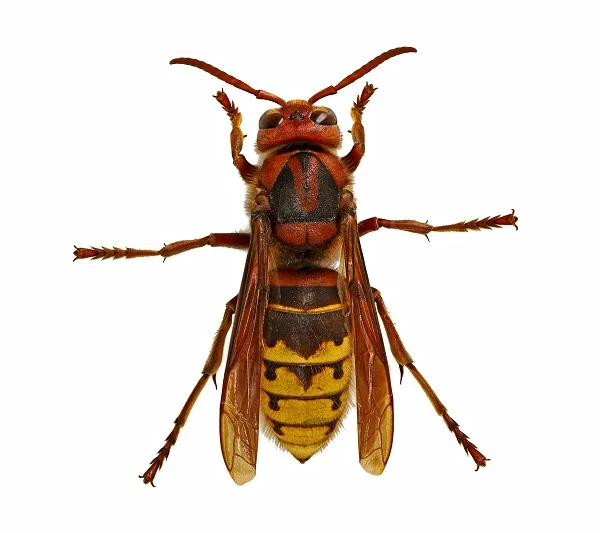
European Hornet
These large, reddish-brown hornets are one of the few true hornet species in the U.S. They build nests in tree cavities, wall voids, and sometimes attics. Although they aren’t as aggressive as others, they’ll defend their nest fiercely.
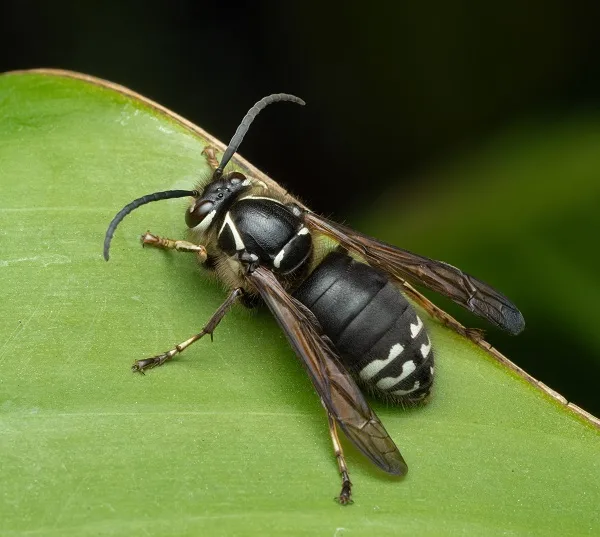
Bald-Faced Hornet
You’ll recognize these by their black-and-white coloring and the basketball-sized nests they often hang from trees or structures. They’re highly territorial and will attack in swarms.
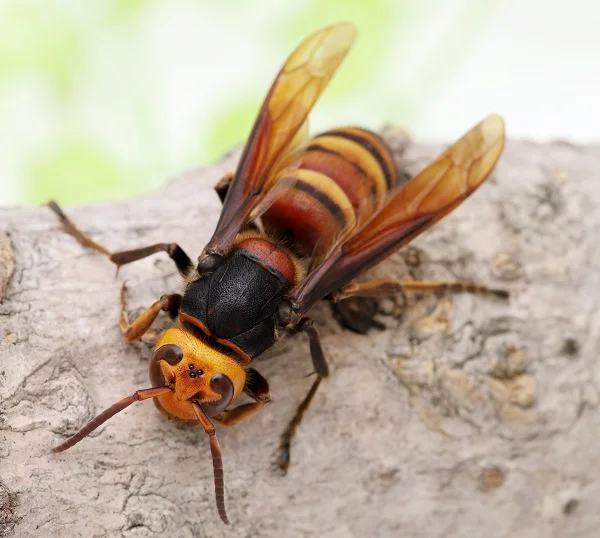
Asian Giant Hornet
Also known as the “murder hornet”, the Asian giant hornet has been spotted in Washington State and British Columbia. These massive hornets are known for attacking honeybee colonies and delivering extremely painful stings.
Reliable Hornet Pest Control Services in Southeastern PA
Whether you’re a homeowner or running a business, a hornet problem is never something to ignore. Call in our team for:
Residential Hornet Control
Hornets near your porch, attic, or backyard trees? We’ll inspect, identify, and remove nests safely, so your family and pets can enjoy your home again — sting-free. Our team uses a targeted approach to locate active hornet nesting sites, apply EPA-recognized treatments with care, and follow up to ensure we’ve eliminated the hornet problem.
Commercial Hornet Control
Protect your business’s reputation and your customers from painful surprises. We offer discreet, effective hornet control for office buildings, warehouses, restaurants, and more. We understand the urgency of stinging insect issues in commercial settings, where just one nest can disrupt daily operations or turn away foot traffic.

Don’t Let Hornets Take Over — Take Action with PCT Today
Hornets aren’t just a nuisance — they’re a threat to your family, pets, and peace of mind. Whether you’ve spotted a nest or noticed more buzzing than usual, don’t wait for stings to start piling up. Contact us for immediate help!
How to Tell If There’s a Hornet Nest Nearby
Hornets are sneaky builders, but they leave behind a few key clues:
- You notice a sudden spike in hornet activity around your yard or roofline.
- There’s visible construction of a papery or enclosed nest, even if it's small.
- You see hornets entering cracks in walls, soffits, or under eaves.
- Strange, hive-like growths appear on tree limbs or near sheds.
If any of these sound familiar, it’s time to bring in the professionals.
What Might Be Drawing Hornets to Your Property?
Hornets aren’t just wandering — they’re around your space for a reason. Here's what might be attracting them:
- Fruit trees: Fallen fruit is a sugary feast, especially in late summer.
- Bright flowers: These act like neon signs for nectar-loving insects.
- Protein sources: Pet food, meat scraps, and garbage are irresistible in spring.
- Sweet scents: Sodas, perfumes, and sugary snacks all attract hornets.
- Sheltered nesting areas: They seek shade, warmth, and protection from predators.
- Standing water: Water features and leaky faucets can keep them coming back.
- Exposed wood: Unsealed decks and fences provide perfect building materials.
- Other insects: A preexisting bug problem might be fueling a hornet population boom.
Want to Keep Hornets Away for Good?
Ask about our year-round pest protection plans that are customizable, convenient, and will keep you worry-free.
Quick Facts About Hornets You Might Not Know
Hornets share many behaviors with other stinging insects, and understanding how they operate can help you stay safe and proactive to protect your space:
- They can sting repeatedly and inject more venom per sting than most wasps.
- Hornets build nests from chewed-up wood fibers, forming a paper-like structure.
- Unlike bees, hornets don’t die after stinging, making them more aggressive.
- Their nests can grow rapidly and house hundreds of buzzing defenders.
- Hornets are social insects and will defend their colonies as a group.
- While they play a role in controlling other pests, they are too dangerous to keep around.
- A disturbed nest can lead to serious stings — don’t risk removing one yourself.