








Common Types of Beetles We Control
We handle a wide range of beetle species found in Pennsylvania homes and businesses. Our inspection and identification process ensures we use the right control method to achieve lasting results.
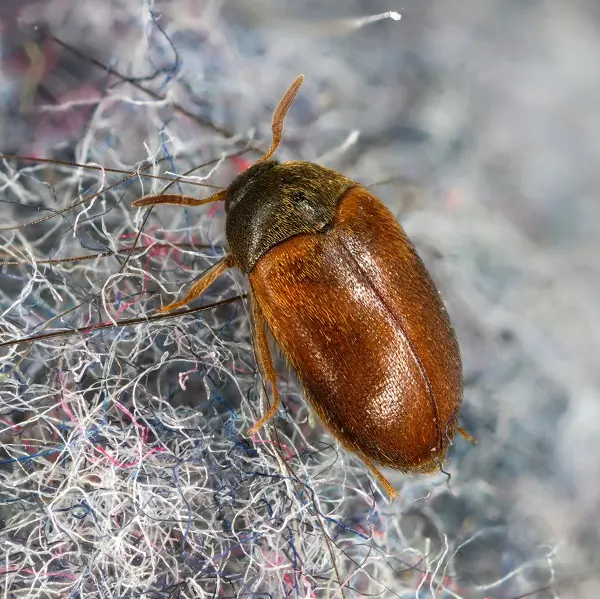
Carpet Beetles
Carpet beetles and furniture carpet beetles are common fabric pests that feed on animal hair, wool, silk, feathers, and upholstered furniture. Their larvae can chew through clothing, carpets, and stored fabrics.
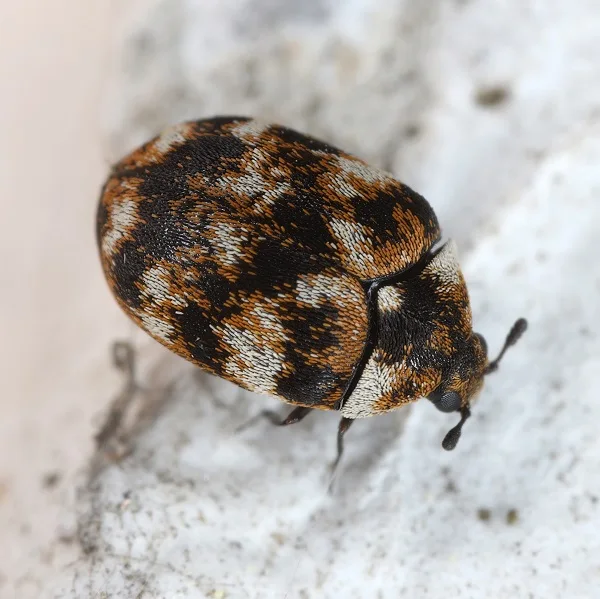
Varied Carpet Beetles
These small beetles often hide in cracks, wall voids, and air ducts. They feed on a wide range of organic matter, including dead insects, animal hair, and stored food products.
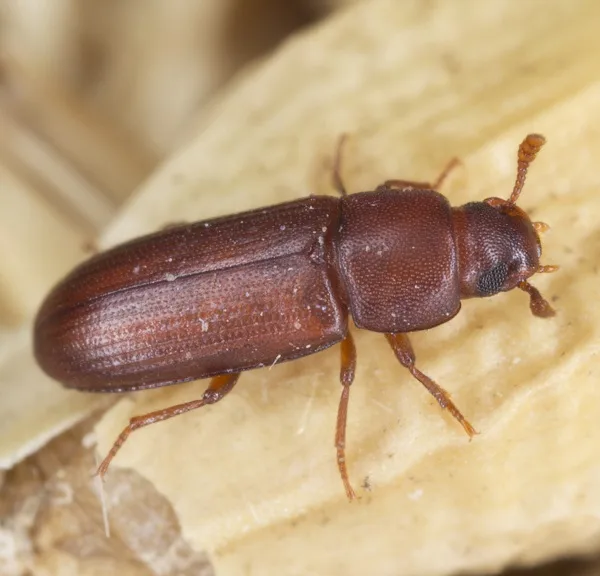
Flour Beetles
These pantry pests infest stored grains and dry goods like flour, pasta, and cereal. They can survive long periods without feeding, making them hard to eliminate without thorough cleaning and treatment.
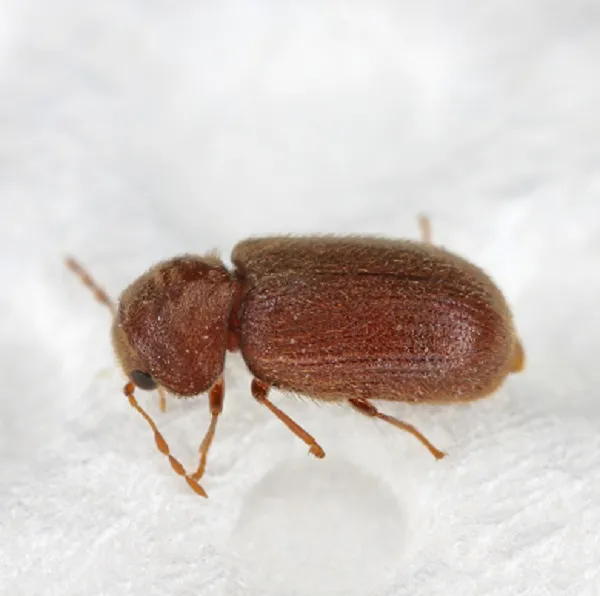
Drugstore Beetles
Often found in pantries, drugstore beetles feed on a variety of stored food products, dried flowers, and even spices. They are persistent and require a combination of exclusion and treatment for control.
Our Specialized Beetle Control Services in PA
We offer beetle control that focuses on eliminating infestations while preventing them from returning.
Residential Beetle Control
Our home treatments target beetles in carpets, stored food, wall voids, and hidden areas. We use a mix of insect growth regulators, exclusion techniques, and safe insecticides to protect your home and belongings.
Commercial Beetle Control
For businesses, beetles can damage inventory, contaminate products, and harm your reputation. We offer discreet service for restaurants, retail stores, warehouses, and offices, using targeted treatments and pheromone traps to ensure regulatory compliance and long-term prevention.
Protect Your Home or Business from Beetles Today!
Call our team now to schedule your inspection and get customized beetle removal solutions.
Signs You Have a Beetle Infestation
Identifying a beetle problem early is key to avoiding costly damage. Watch for these signs of activity.
- Small shell-like beetle remains or fuzzy larvae may appear in carpets, near upholstered furniture, or in corners of closets.
- You may notice tiny holes, thinning patches, or frayed edges in clothing, blankets, upholstery, or other stored fabrics.
- Beetles can chew through leaves, stems, and flowers, leaving plants with ragged edges or discoloration.
- Pantry pests leave behind webbing, shed skins, and live larvae in items like flour, cereal, pasta, or dried pet food.
- Some beetle species are scavengers and are attracted to areas with dead insects, such as wall voids, attics, basements, or crawl spaces.
What Attracts Beetles to Your Property?
Beetles are opportunistic pests, drawn to various environmental conditions, food sources, and hiding places in and around your home or business.
- Organic materials: Natural fibers such as wool, silk, feathers, and animal hair found in carpets, rugs, and clothing provide food for many beetle species.
- Stored food products: Items like flour, cereal, pasta, grains, seeds, and dried pet food are vulnerable to infestation if not stored in airtight containers.
- Plants and trees: Flower beds, vegetable gardens, shrubs, and certain tree species can serve as food sources or shelter for beetles.
- Moisture sources: Damp basements, areas with leaky pipes, and spots with standing water offer ideal breeding grounds for moisture-loving beetles.
- Shelter and hiding places: Cracks, crevices, wall voids, attic insulation, and cluttered storage areas create safe spaces for beetles to hide and reproduce.
Keep Beetles Away Year-Round
Ask us about our comprehensive pest management plans designed to protect your property from beetle infestations in every season.
Beetle Facts You Should Know
To protect your home and belongings, it’s important to know about beetle behavior and biology.
- Beetles can survive in many environments, from dry indoor spaces to damp outdoor gardens.
- While adults may feed occasionally, the larval stage causes the most destruction to fabrics, plants, and stored food.
- Some beetle species can live for several months without feeding, making infestations hard to eliminate without professional help.
- Traps work well for certain beetle species, but it’s key that a pest control professional places them correctly and monitors them.
- Factors such as moisture, warmth, and food availability can accelerate the beetle life cycle and population growth.