







Serving Montgomery, Bucks, Chester, Delaware & Berks Counties

Pill Bug Control in Lower Merion, PA: Prevention & Treatment

Pill bugs, sometimes called sow bugs, potato bugs, or roly polies, are common outdoor critters that thrive in damp, dark environments. While they help recycle decaying organic matter outdoors, they can become a nuisance when populations grow too large or when they move into damp basements, crawl spaces, and ground-level rooms.

At Pest Control Technicians, Inc., we’ve been helping homeowners and businesses across Montgomery, Chester, Bucks, Delaware, and Berks counties since 1976. Our science-backed pill bug control solutions remove infestations, address the conditions that attract pill bugs, and keep them out of your property for good.

  • PPM association inc
  • member of community
  • montgomery country
  • npma
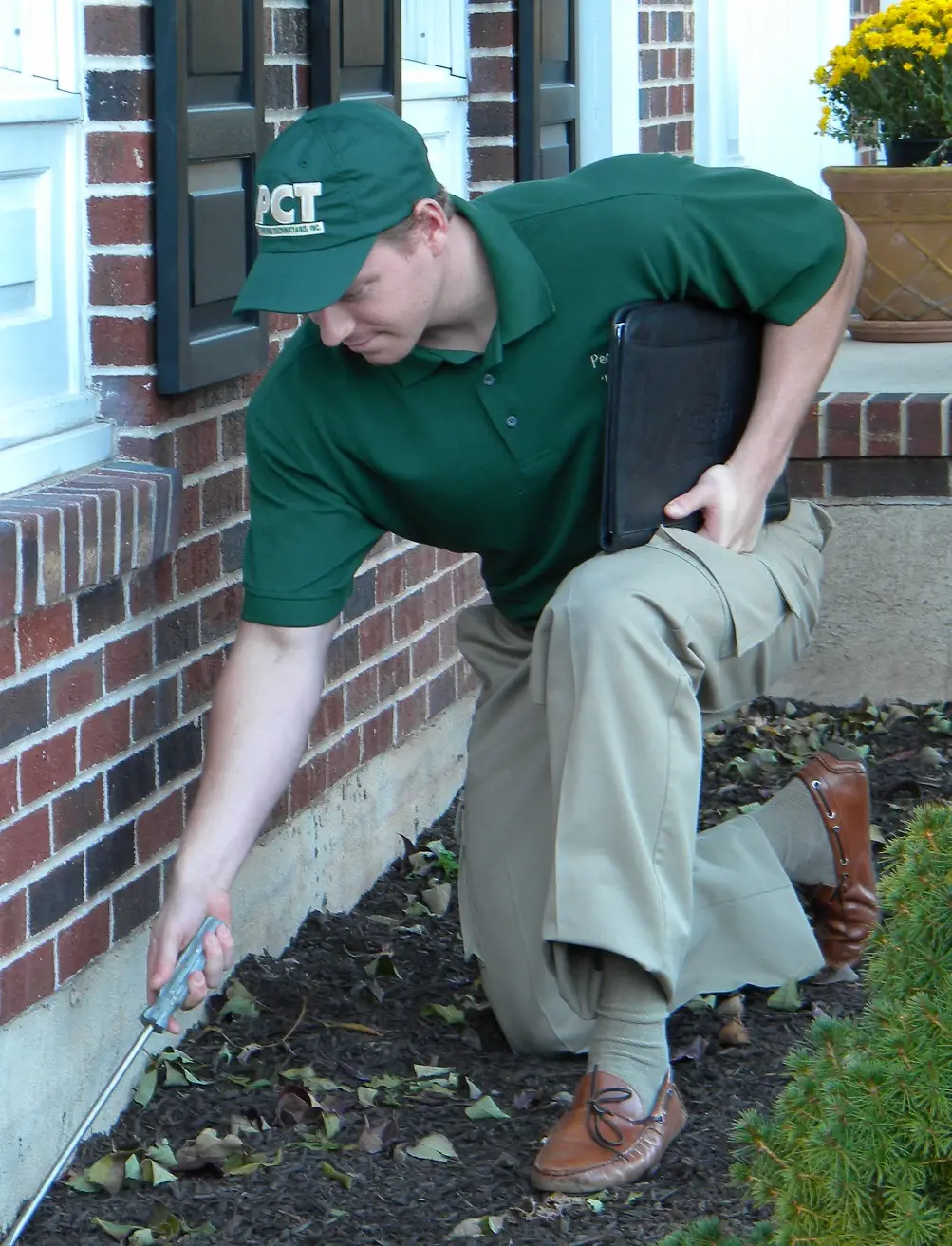
Exterminator pointing to entry points near shrubs while providing boxelder bug pest control services.

Why Choose Pest Control Technicians, Inc. for Sow Bug Problems?

Sow bugs are common across Montgomery County due to the region’s climate and landscaping. While they’re often harmless outdoors, large populations can invade homes and overwhelm damp areas inside. Some DIY methods can provide temporary relief, but professional sow bug control is the best way to achieve long-term results.

  • Experienced leadership: Our company was founded by Joseph Silvestrini, a former president of the Pennsylvania Pest Management Association. His work has shaped modern pest control standards in Pennsylvania.
  • Eco-friendly practices: The EPA recognizes our methods for reducing unnecessary pesticide use while still being tough on pests.
  • Fast service: We offer same-day or next-day response when available, so infestations are handled before they spread further.
  • Year-round protection: Our annual plans protect against pill bugs as well as other pests that thrive in Pennsylvania’s climate.
  • Targeted treatments: We focus on finding sow bug hiding places, reducing moisture sources, and sealing entry points to provide lasting results.
Technician treating exterior entry points of a house as part of boxelder bug pest control services.

Testimonials

  • PPM association inc
  • member of community
  • montgomery country
  • npma
  • "I definitely recommend!"

    Will was very professional & explained every step of the process.

    - Amelia G.

  • "Been using them for years in the building I manage"

    Above and beyond on their treatment. Excellent.

    - Pete F.

  • "Thank you Blake We really appreciate you!!"

    We have been using you guys for quite some time now in one of our businesses.

    - Lisa B.

Read More Reviews

Are Pill Bugs Good for Your Garden?

Pillbugs and sow bugs play an important role in breaking down decaying plants, leaf litter, and other organic debris to help enrich the soil. In compost piles, they aid in decomposing organic matter and can even keep down some other pests.

However, in large populations, pill bugs can damage young seedlings by chewing on tender roots and leaves. They’re especially problematic when they move from the garden into basements, crawl spaces, or under exterior doors in search of damp hiding places. That’s when professional sow bug control becomes necessary.
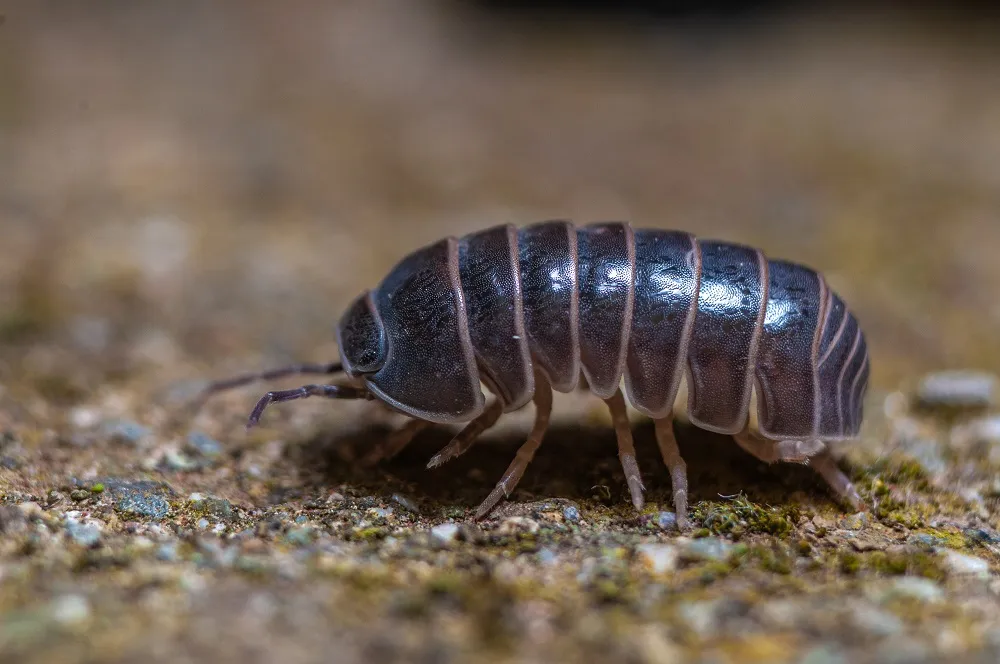
pill bug control lower merion

Our Specialized Pill Bug Control Services in PA

We provide integrated pest management solutions for pill bugs, combining moisture reduction, exclusion, and safe treatments to give you lasting peace of mind.

Residential Pill Bug Control

We treat infestations in basements, crawl spaces, and ground-level rooms while sealing entry points like cracks and gaps. If needed, we’ll also recommend steps like reducing mulch buildup, cleaning plant debris, and sprinkling diatomaceous earth in problem areas.

Commercial Pill Bug Control

For businesses, pillbugs can create sanitation issues and damage landscaping. We offer discreet, effective control for restaurants, offices, warehouses, and retail spaces to eliminate pests and prevent future infestations with minimal disruption.
Grayscale image of a suburban home exterior with landscaping symbolizing pest-free living through pest control services.

Don’t Let Pill Bugs Roam Freely on Your Property

Call us now to schedule a free inspection and get a lasting pill bug control solution.

Signs of a Pill Bug Infestation

While pill bugs are mostly outdoor critters, they become pests when they gather indoors in large numbers. Watch for these signs:

  • You see many small gray bugs with seven pairs of legs crawling in damp basements or crawl spaces.
  • Pill bugs live under rocks, mulch, and fallen leaves around your home and move inside when disturbed.
  • They gather around decaying organic matter and can damage tender plants in the garden.
  • Dead leaves, grass clippings, and organic debris near your foundation attract large populations.

What Attracts Pill Bugs to Your House?

Pill bugs are attracted to specific environmental conditions and food sources.

  • Moisture: Damp basements, crawl spaces, and areas with excess moisture.
  • Organic matter: Decaying plant material, compost piles, and mulch.
  • Shelter: Cracks in foundations, ground-level entry points, and cluttered hiding places.
  • Habitat: Shaded landscapes with grass clippings, leaf litter, or soil disturbed near the foundation.
  • Exterior access: Gaps around door sweeps, weather stripping, and utility entry points.
Grayscale image of a suburban home exterior with landscaping symbolizing pest-free living through pest control services.

Keep Pill Bugs Out for Good

Book a maintenance plan today to protect your property year-round.

Facts About Pillbugs and Sowbugs You Should Know

  • Pill bugs aren’t insects, but members of the class Crustacea in the order Isopoda. They are closely related to crabs and shrimp, though you wouldn't want them on your seafood plate.
  • Pillbugs and sow bugs are nocturnal and are most active at night when the ground is damp.
  • They feed on organic material like decaying plants, but will chew on young seedlings if food is scarce.
  • They need constant moisture to survive because their gills must stay wet.
  • Unlike other pests, they rarely live far from the ground and cannot survive long indoors without damp conditions.
  • Large populations indoors are a sign of excess moisture that should be addressed, along with pest control.
Ready to Get Rid of Pill Bugs and Sow Bugs for Good?

Whether you’re seeing a few pill bugs near your foundation or dealing with a large population invading your basement, Pest Control Technicians, Inc. has the tools and expertise to solve the problem. Our eco-conscious methods deliver safe, long-term protection for your family or business.

Don’t let pill bugs, sow bugs, or other pests disrupt your home or garden. Contact Pest Control Technicians, Inc. today for a free inspection.

1007 W Main St, Norristown, PA 19401

(610) 275-7378

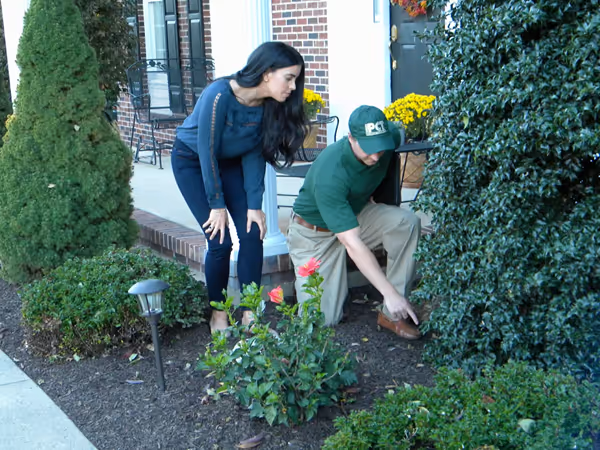
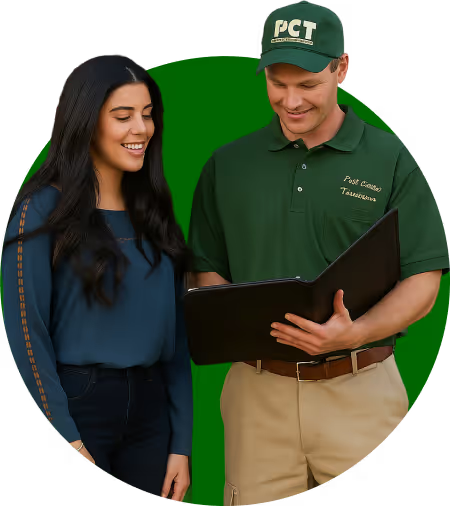
PCT technician talking with a customer and reviewing pest solutions.

Contact Pest Control
Technicians Today!

A member of our team will be in touch shortly to confirm your contact details or address questions you may have.

Correct First Name is Required
Correct Last Name is Required
Correct Phone is Required
Correct Email is Required
Correct Address is Required
Correct Message is Required
Thank you! Your submission has been received!
Oops! Something went wrong while submitting the form.

FAQ

  • Do pillbugs bite people?

    No, pillbugs do not bite, sting, or spread disease. They are nuisance pests, but they aren’t harmful to humans or pets.

  • How do you get rid of pill bugs?

    You should reduce moisture, clear away leaf litter and plant debris, and seal entry points. Professional treatments like diatomaceous earth, exclusion, and moisture control provide lasting results.

  • How can I get rid of pillbugs in the basement?

    You’ll want to eliminate damp conditions, seal cracks, and use professional treatments to target pill bugs where they hide. This is where a pest control professional can provide long-term solutions by addressing both the pests and the conditions that attract them.