
How to Get Rid of Cockroaches in PA: Myths & Facts
If you’re like most people, few things send a chill down your spine like flicking on the kitchen light and seeing cockroaches scatter. In Pennsylvania, cockroach infestations are more common than you might think, especially in urban areas and apartment complexes. But don’t worry — you’re not stuck living with them.
Table of Contents
Let’s walk through how to get rid of cockroaches in Pennsylvania, step by step, and clear up some common myths that keep people from winning the battle against these pests.
The Most Common Cockroach Species in Pennsylvania

Before you can fight roaches, you need to know which species you’re dealing with. Pennsylvania homes and businesses may encounter several types, including:
- German cockroaches: Light brown with two dark stripes, these are the most common cockroaches in kitchens and restaurants. They multiply quickly and are a leading cause of infestations.
- American cockroaches (also called palmetto bugs): Reddish brown and over an inch long, they prefer damp conditions like basements, plumbing pipes, and sewers.
- Oriental cockroaches: Dark brown to black, often found in cool, damp areas such as crawl spaces and around drains.
- Pennsylvania wood cockroach: Usually found outdoors in woodpiles, bark, and leaf litter. They sometimes wander inside, but they don’t typically infest living areas like German cockroaches do.
- Brown-banded cockroaches: Smaller, with noticeable banding across their wings. They tend to hide in warmer, drier areas like cabinets or electronics.
Identifying the cockroach species helps you choose the right control method—because a strategy that works on wood cockroaches may not help much with German cockroaches.
What Attracts Cockroaches?
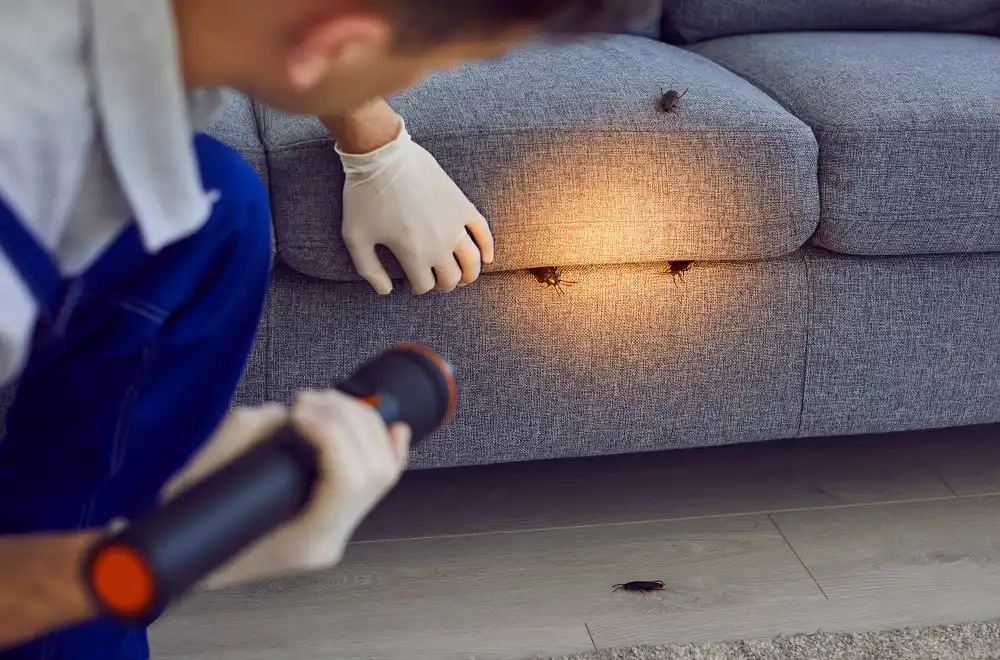
Cockroaches are survivors. They can live on surprisingly little, but a few things make your home especially appealing:
- Food sources: Crumbs on counters, pet food left out overnight, or garbage that’s not emptied regularly.
- Standing water: Leaky plumbing pipes, sink water left overnight, and damp conditions under appliances.
- Shelter: Cardboard boxes, clutter, and cracks in walls or doors.
- Warmth: Living areas with steady temperatures and hiding spots.
In other words, if your home provides easy meals, water, and safe hiding places, cockroaches tend to settle in quickly.
A Step-by-Step Guide to Getting Rid of Cockroaches in PA
Getting rid of cockroaches requires a mix of good habits, DIY methods, and, when needed, professional pest control.
Step 1: Cut Off Food and Water
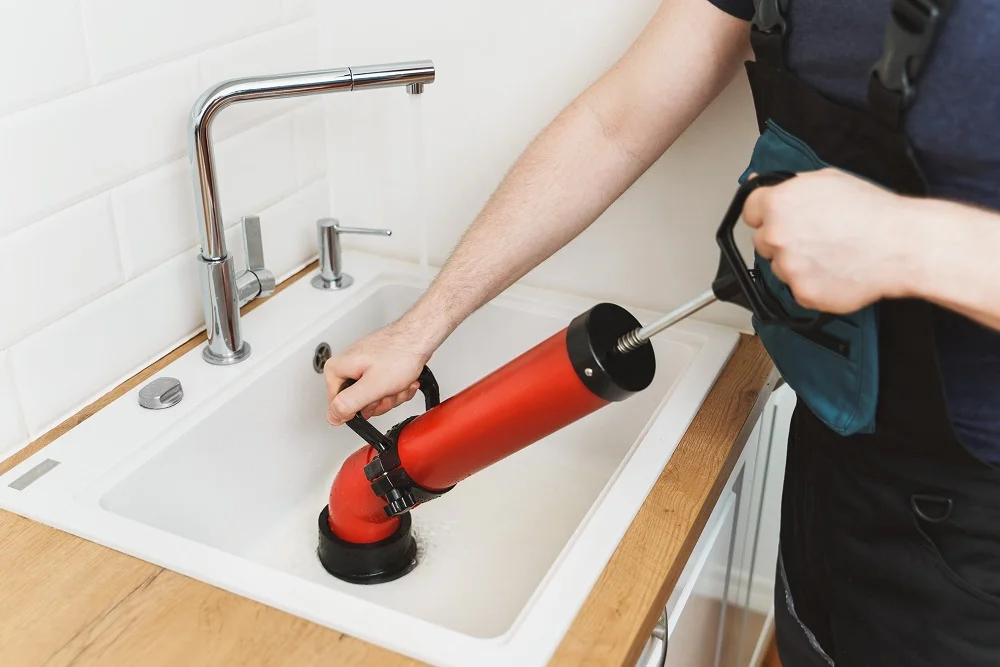
Did you know that most cockroaches can survive about one month without eating, as long as they have access to water? Without water, however, they die much faster — usually within a week, sometimes just a few days depending on conditions.
- Eliminate crumbs by regularly cleaning counters, floors, and cabinets
- Store pet food in sealed containers and avoid leaving bowls out overnight
- Eliminate standing water in sinks and around plumbing pipes
- Take out garbage regularly and keep lids sealed
Step 2: Eliminate Hiding Spots
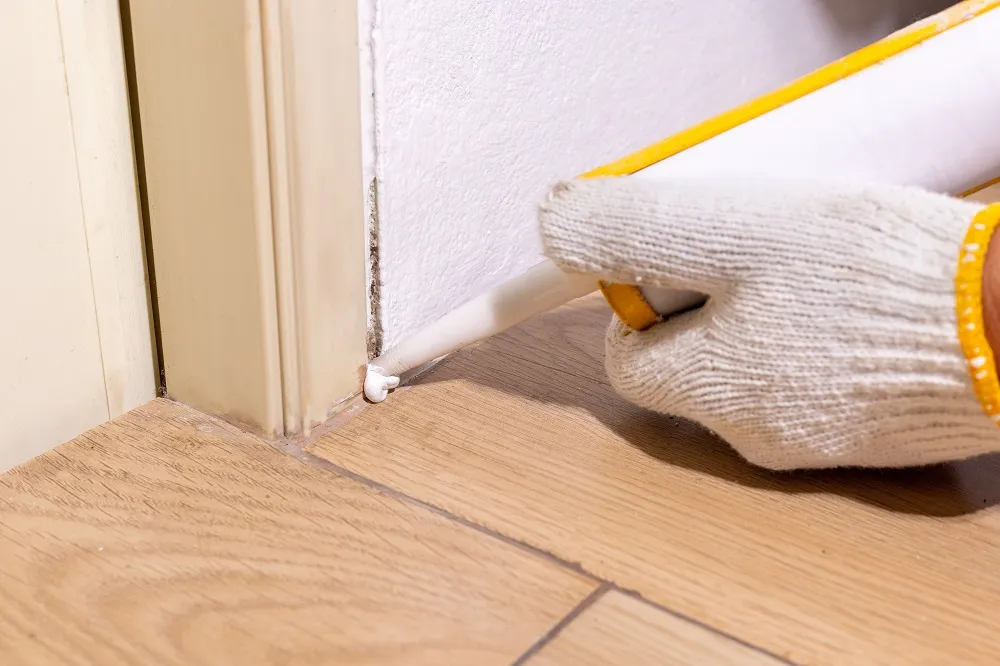
Cockroaches love dark, tight places where they can hide during the day.
- Seal entry points like cracks in walls, doors, and baseboards
- Reduce clutter, especially cardboard boxes that cockroaches love to hide in
- Regularly clean under appliances and in cabinets
Step 3: Try Using DIY Remedies
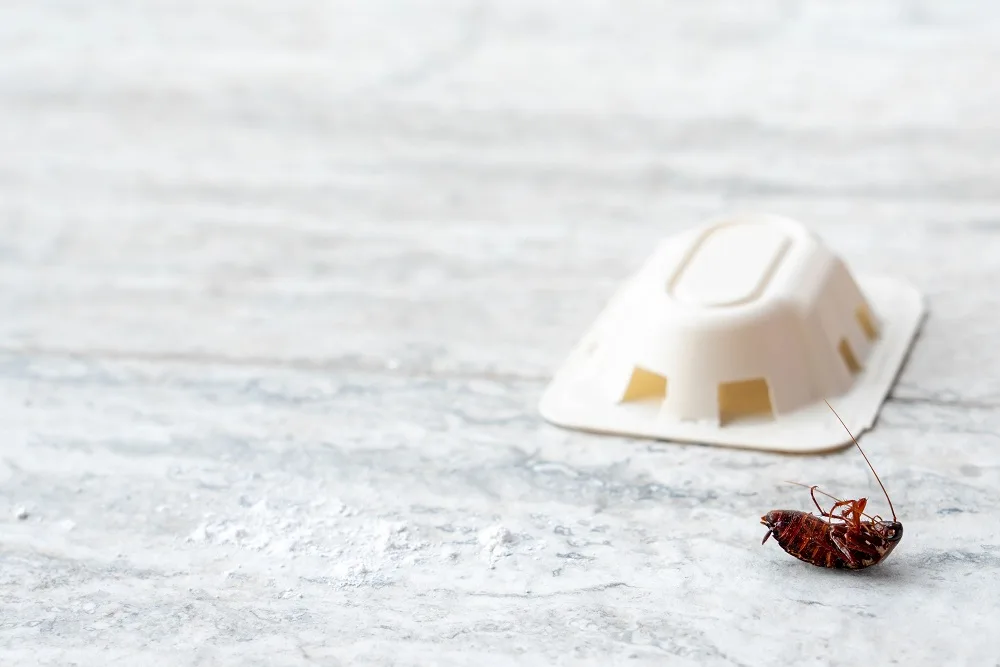
Here are some methods of DIY cockroach control that we recommend:
- Gel baits: These come in small tubes. You apply pea-sized drops along cockroach trails, behind appliances, inside cabinets, or near plumbing pipes. Roaches eat the bait and carry it back to the nest, poisoning others.
- Bait stations: Small plastic containers pre-filled with bait. Place them in corners, under sinks, and behind refrigerators where cockroaches tend to travel. They’re cleaner and pet-friendly.
- Boric acid: Sprinkle a very thin layer in cracks and under appliances. Roaches walk through it, groom themselves, and ingest it — leading to death. Too much powder and they’ll avoid it, so “less is more” with this approach.
- Diatomaceous earth (DE): A natural, non-toxic powder that damages the cockroach exoskeleton and dehydrates them. Like boric acid, it should be applied in light dustings along baseboards, under cabinets, and behind appliances.
- Baking soda: When mixed with sugar, baking soda can work as a DIY bait. The sugar attracts cockroaches, while the baking soda creates internal gas that they can’t expel. This can kill some roaches, but it’s not strong enough to control a full infestation.
- White vinegar: Good for cleaning surfaces and eliminating crumbs, but it doesn’t kill cockroaches. At best, white vinegar removes food smells that attract them.
- Borax: When mixed with sugar, it can act like baking soda, but with slightly stronger results. It can kill roaches that ingest it, though placement is key.
- Roach foggers (bug bombs): These seem powerful, but they only kill roaches out in the open. Most cockroaches hide deep in cracks, walls, or plumbing pipes, where foggers can’t reach.
- Electronic repellents: Plug-in ultrasonic devices claim to repel pests, but scientific studies show they have little to no effect on cockroach control.
- Other solutions: Citrus sprays, coffee grounds, and essential oils may deter roaches temporarily, but they won’t eliminate an infestation.
While some DIY methods can reduce cockroach numbers, none of them can wipe out a serious cockroach infestation altogether. You might think it’s too much of a hassle to call a professional, imagining someone spraying chemicals in your apartment, asking you to move furniture, and turning it into a big production. It can feel easier to just DIY it once in a while and hope the problem fades.
But the truth is, every “quick fix” only chips away at the visible roaches and leaves the core infestation untouched. This results in an ongoing problem that can be difficult to overcome without the right help.
Step 4: Know When to Call a Professional
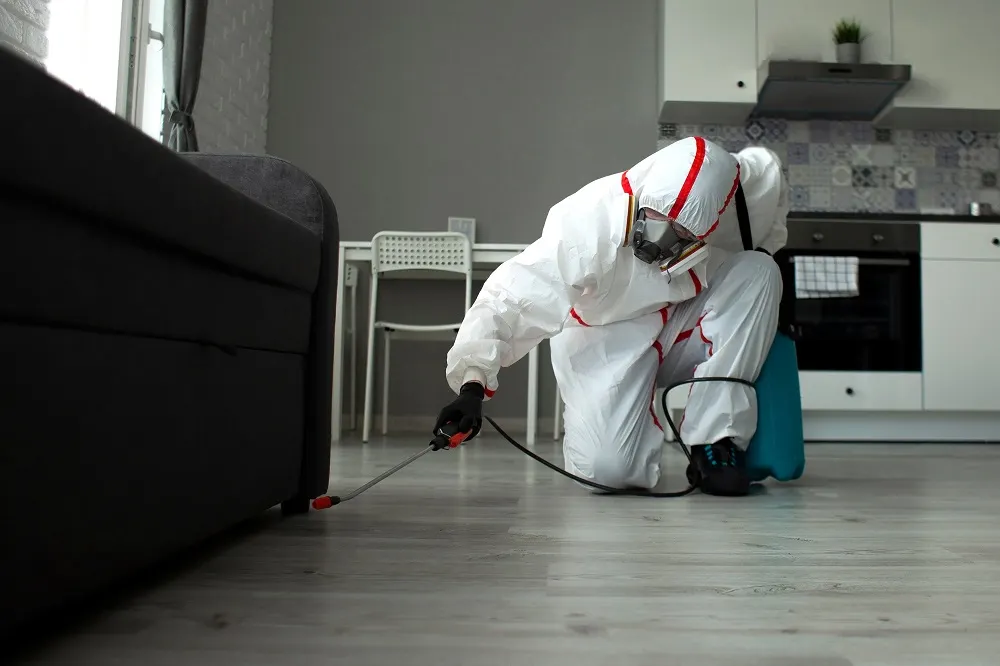
DIY cockroach treatments might seem like an easy fix, but they rarely solve the root problem. Most over-the-counter sprays and powders only kill the roaches you see on the surface. The real issue is the hidden colonies tucked deep inside walls, under appliances, or around plumbing pipes — areas that store-bought products simply don’t reach.
To make things worse, some cockroach species, especially German cockroaches, have developed resistance to common insecticides sold in stores. That means, even if you spray regularly, the infestation may not shrink — it may actually grow.
While DIY options may seem cheaper up front, the costs add up fast. Buying foggers, traps, and sprays repeatedly usually ends up being more expensive than calling a professional in the first place. By the time most people bring in a pest control expert, the infestation is larger and requires more aggressive treatments.
Professional pest control doesn’t just kill the roaches you see on the surface — it targets the source of the infestation, eliminates eggs and hidden colonies, and puts long-term prevention in place so they don’t come back.
Myths & Facts About Cockroaches
There are several old “home remedies” floating around about cockroaches. Let’s set the record straight.
Myth: Cockroaches only infest dirty homes
While clutter and food make things worse, even clean homes can attract cockroaches through plumbing pipes, doors, or cracks.
Myth: Cats and dogs will keep cockroaches away
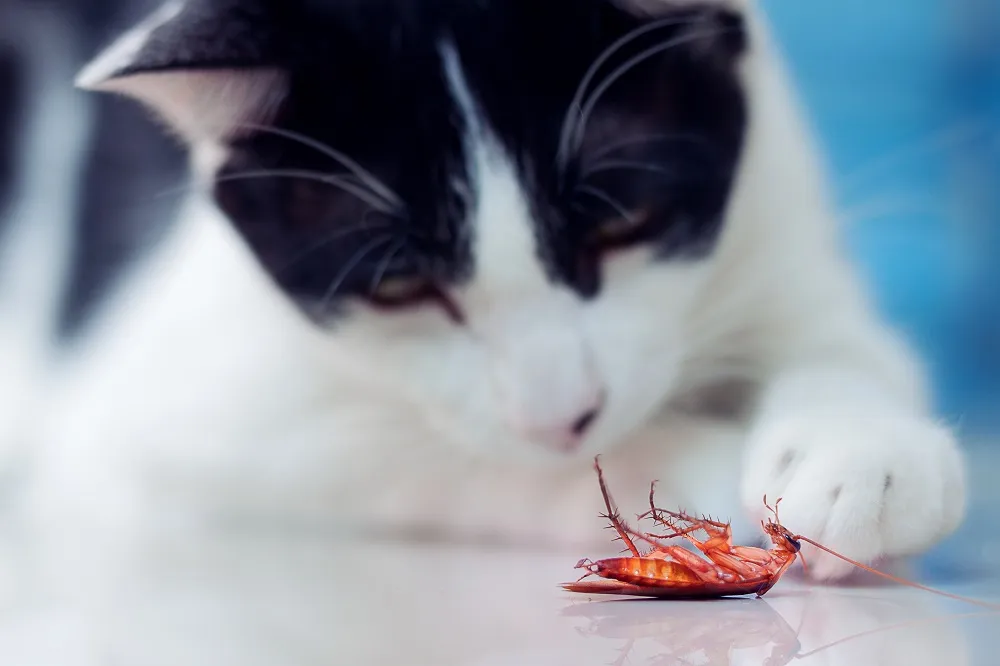
Pets may catch an occasional roach, but pet food is actually one of the biggest attractants.
Myth: Pennsylvania wood cockroaches infest kitchens like German cockroaches
Wood cockroaches are more of an outdoor species; they rarely cause the kind of indoor infestation German cockroaches do.
Fact: Cockroaches don’t die in water
You might think that a cockroach will drown if you flood the area where they are living. The problem is that cockroaches can survive being completely submerged for up to 15 minutes without dying. They can also swim and crawl out of water if needed. This means that using water as a control method won’t eliminate cockroaches — it only gives them another challenge to adapt to.
Fact: Cockroaches can live without a head
It sounds like a horror story, but it’s true. A cockroach can survive for up to a week without its head because it breathes through tiny holes in its body, not its mouth. Eventually, it dies only because it can’t drink water.
Fact: Cockroach droppings spread allergens
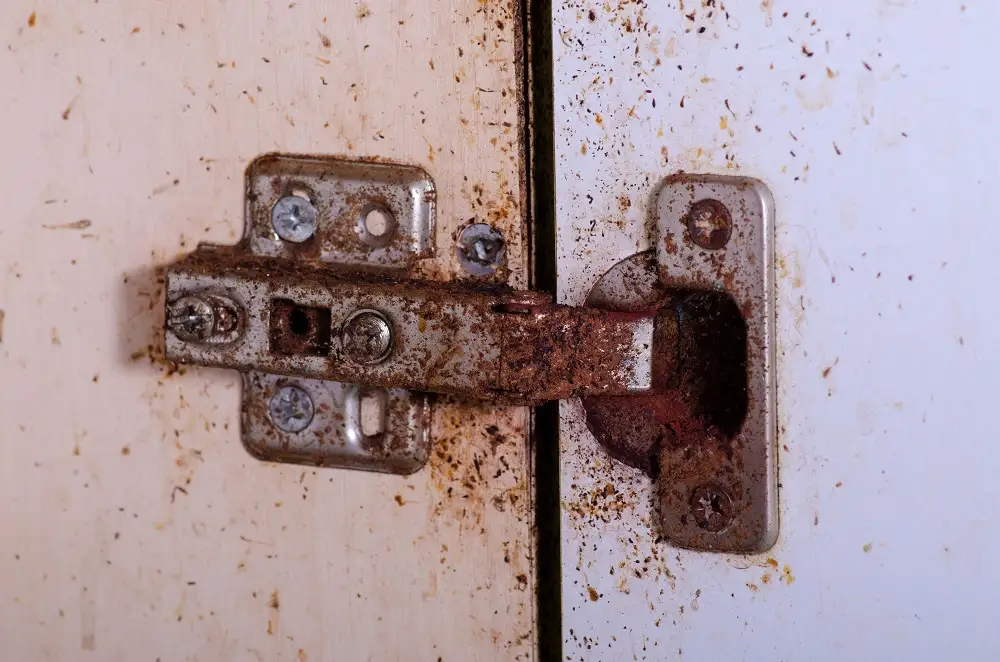
Cockroach droppings are more than just gross — they can trigger asthma and allergies, especially in children. This is one reason cockroach infestations are considered a serious health risk.
Say Goodbye to Roach Infestations for Good
Schedule professional pest control with Pest Control Technicians, Inc. and protect your space. We serve PA’s Montgomery, Bucks, Chester, Delaware & Berks counties.

Don’t Let Cockroaches Take Over
Unfortunately, roaches are survivors, and once they move in, they won’t leave without a fight. If you want to get rid of cockroaches for good, remember: prevention and maintenance are important, but when an infestation grows, professional pest control is the only long-term solution.
At Pest Control Technicians, Inc., our family-owned business specializes in eliminating roaches and helping Pennsylvania homeowners protect their families from these frustrating pests. Whether it’s German cockroaches in the kitchen or American cockroaches in the basement, contact us to get a custom quote. We’ll find the source and stop the infestation for good, providing you with lasting peace of mind.
FAQs
What is the quickest way to get rid of roaches?
The fastest method is using gel baits and professional pest control. Baits attract roaches, who then carry poison back to the nest. For severe infestations, professional treatments work much quicker than DIY methods alone.
How do I get rid of roaches permanently?
You can start by eliminating food sources, sealing entry points, and using baits or boric acid. But for a permanent solution, it's best to call a professional pest control expert.
Can you 100% get rid of roaches in your house?
Yes, with the right approach. Eliminating food, water, and hiding spots, combined with professional pest control, can remove cockroaches completely. However, preventing re-entry through sealed cracks, regular cleaning, and monitoring is key to keeping them from returning.
What is the most common cockroach in Pennsylvania?
German cockroaches are the most common and most difficult to eliminate. They reproduce quickly and hide in kitchens and bathrooms.
Why shouldn’t you squish roaches?
Squishing a cockroach can release bacteria, allergens, and even egg cases, which may spread the infestation further. It’s safer to use baits, traps, or call a pest control expert.
Will sleeping with the light on keep cockroaches away?
Not really. Cockroaches are nocturnal and prefer darkness, but leaving the light on won’t stop them if food, water, or hiding spots are available. They’ll simply wait until it’s quiet.
Will a cockroach climb on my bed?
Yes, cockroaches can climb walls, furniture, and even onto beds. While it’s not common, they may do so if food crumbs, spills, or clutter are nearby. This is why we recommend keeping your room clean.
Are cockroaches dangerous to human health?
Yes. Cockroaches can spread bacteria, trigger asthma, and contaminate food, making them a serious health risk.
Do Pennsylvania wood cockroaches infest homes?
Wood cockroaches are commonly found outdoors. While they may wander inside, they don’t typically cause long-term indoor infestations.