








Common Types of Stinging Insects Our Service Removes
Stinging insects come in various species. Effective treatment starts with knowing what you're dealing with. Here are the most common culprits we eliminate:
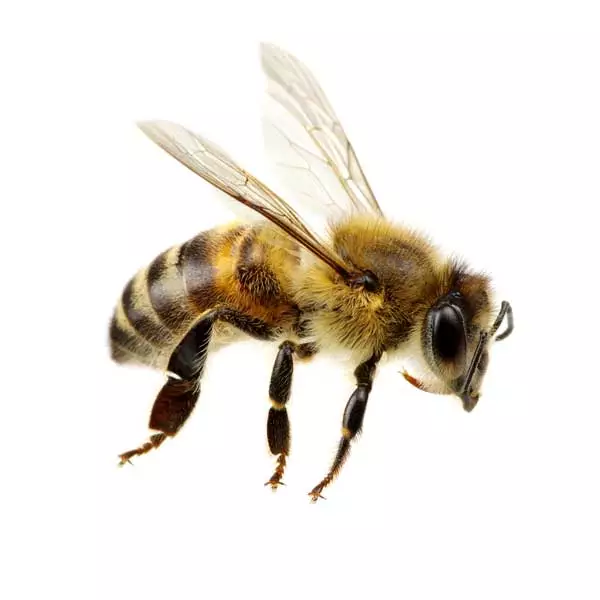
Bee Pest Control
While bees are great for the environment, nests near your home can pose risks. We offer humane removal solutions, protecting your family and these important pollinators.
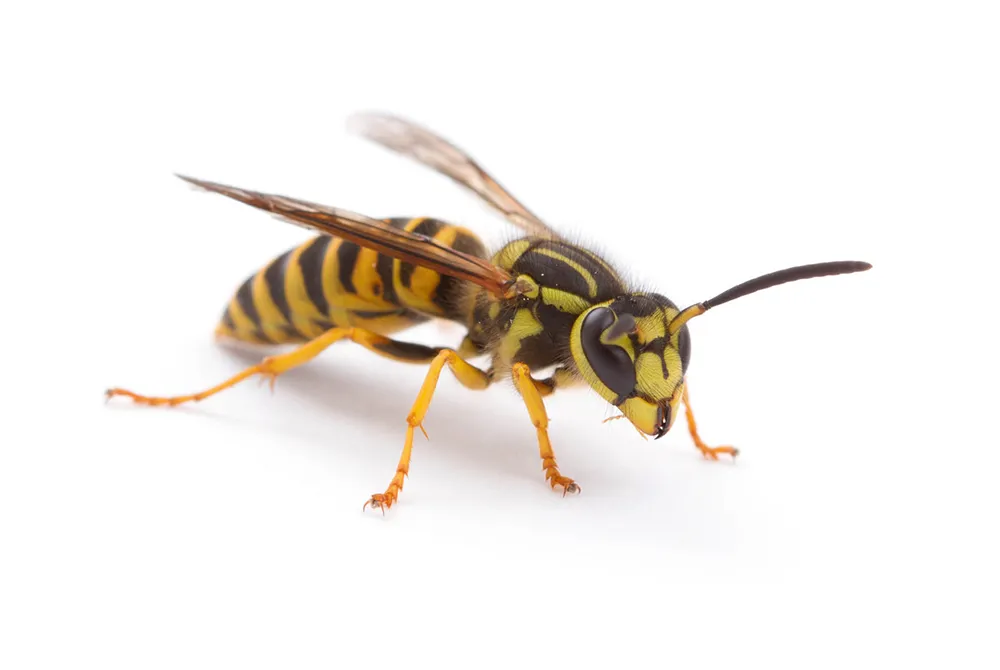
Pest Control for Yellow Jackets
These aggressive pests sting repeatedly, are attracted to food at summer gatherings, and are more dangerous in late summer. Professional removal ensures safe outdoor activities. These “bees” are more closely related to Bald Face Hornets than to actual bees.
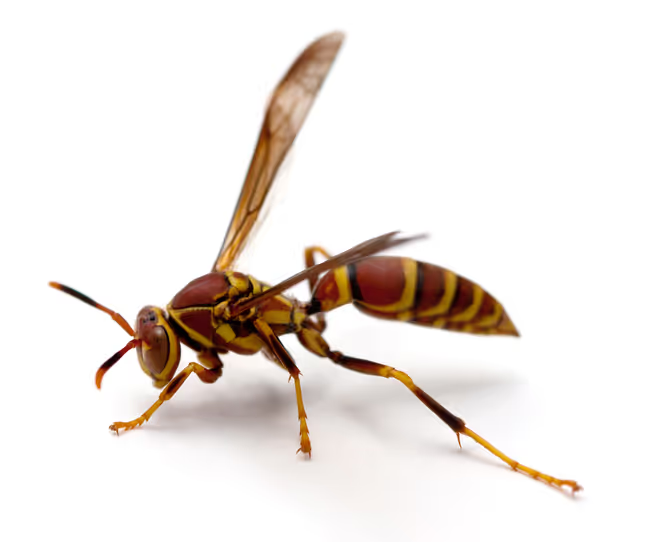
Paper Wasp Control Services
These build open-comb nests under eaves. Though less aggressive than yellow jackets, they sting painfully when threatened, and often create multiple satellite nests.
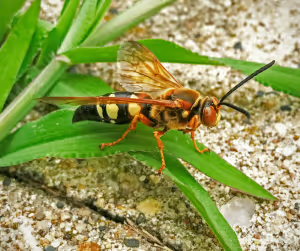
Cicada Killer Pest Control
These wasps burrow in lawns and gardens. While docile, their size (females up to 2 inches) often causes panic. They create tunnels that can undermine patios and walkways.

Hornet Control
Hornets build nests in trees and shrubs, delivering painful, venomous stings. Pennsylvania's bald-faced hornets and European hornets are extremely territorial and swarm when their nests are disturbed.
Our Full-Service Stinging Insect Exterminator Services in PA
Our customized solutions address stinging insect problems for homes and businesses throughout Lower Merion and surrounding Pennsylvania counties.
Residential Stinging Pest Control
Our home services include complete nest removal, treatment of entry points, and preventative measures to keep your family safe. We pay special attention to play areas, patios, and other outdoor living spaces where contact with stinging insects is most likely. Why take the risk of climbing a ladder to access nests? Our treatment methods are much safer and done by trained professionals.
Commercial Stinging Pest Control
We provide discreet, efficient services for businesses to eliminate pest problems without disrupting operations. Rest assured that our commercial solutions comply with health regulations while protecting employees and customers from painful stings and potential allergic reactions.

Reclaim Your Outdoor Space with Our Expert Stinging Insect Control
Ready to get rid of stinging insects for good? Contact us today for a free quote!
Warning Signs of Stinging Pests
Nobody wants to deal with a painful sting. Identifying a stinging insect problem early can prevent it from becoming a major infestation. Keep an eye out for these common indicators:
- A higher-than-usual number of stinging insects buzzing around your home or yard.
- Nests in obvious places like under your eaves, in trees, or within your shrubs.
- A constant buzzing sound coming from an area.
- Dead insects on the ground around your property.
- Round holes in wooden structures or unexplained burrows in your lawn.
What Attracts Stinging Insects?
What draws these pests to your property? Here’s what attracts these insects:
- Sweet substances like ripe fruit, nectar-producing flowers, sugary drinks, and protein-rich foods, including meats and fish.
- Protected areas like shrubs, trees, building overhangs, and undisturbed corners of garages or sheds.
- Bird baths, pet bowls, clogged gutters, and other standing water sources.
- Gaps in siding, holes in screens, unsealed vents, and other openings.
Keep Your Place Free of Stinging Insects Year-Round
Explore our maintenance plans and enjoy lasting peace of mind.
Frightening Facts About Stinging Insects
Beyond their painful stings, these pests can cause serious problems for your home and family:
- Some people develop life-threatening allergic reactions to insect stings, with symptoms appearing within minutes.
- A single colony of yellow jackets can contain up to 4,000 workers, each capable of stinging multiple times.
- Stinging insects cause approximately 500,000 emergency room visits annually in the United States.
- Some species, like carpenter bees and wood wasps, can chew through wood, leading to potential structural damage.
- Untreated nests often grow larger each season, with some hornets' nests reaching the size of a basketball.