








Common Centipedes Found in Pennsylvania Homes
Centipedes aren’t all the same, and the species you have can determine where they hide, how they enter, and the best way to treat them. Our technicians are trained to identify the species and tailor our treatment approach accordingly:
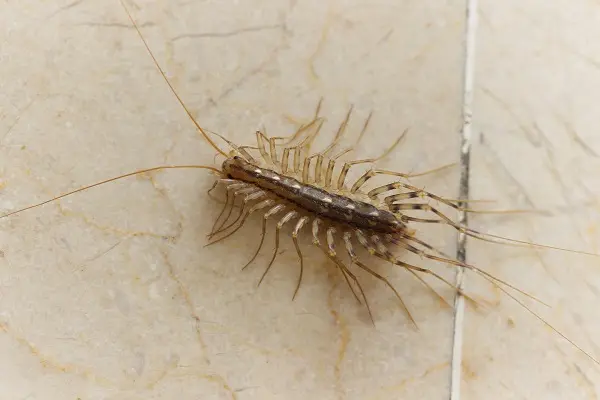
House Centipede (Scutigera coleoptrata)
This is the most common indoor species, known for its incredibly long legs and speed. House centipedes are often found in damp areas like basements, bathrooms, and crawl spaces. They feed on other insects, making them a sign of an underlying pest problem.
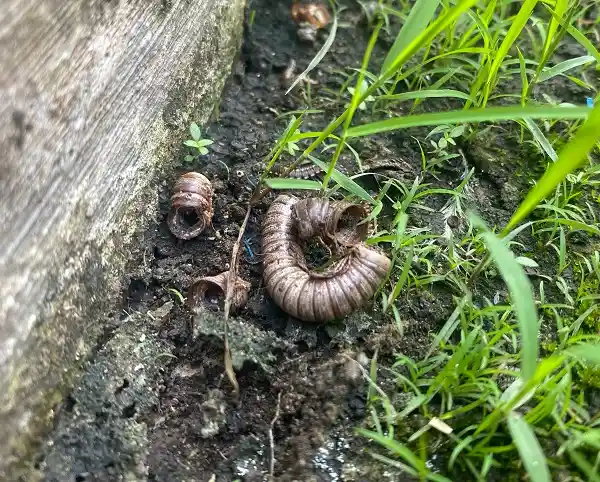
Stone and Soil Centipedes
Smaller and more flattened, these species usually live outdoors under rocks, mulch, and debris, but will wander indoors through gaps in foundations or door thresholds when conditions outside are unfavorable.
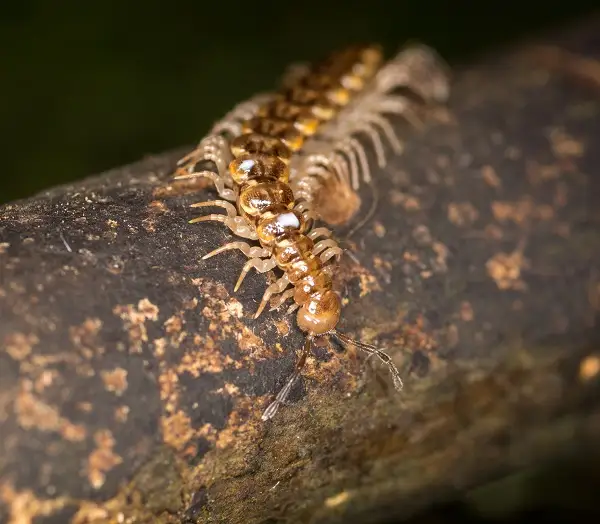
Bark-Associated Centipedes
These centipedes are typically outdoor predators that take shelter under tree bark, logs, and siding. They may enter homes in search of food or warmth, especially during seasonal changes.
Professional Centipede Pest Control Services in PA
Centipede control requires more than just eliminating the insects you see, but also their food sources, reducing moisture, and closing off their entry points. We attack the problem from all angles, offering comprehensive services designed to solve the problem long-term.
Residential Centipede Control
Finding centipedes in your home can be unsettling, especially if they appear in sensitive areas like bathrooms or bedrooms. Our residential service includes a detailed inspection of high-risk areas such as basements, bathrooms, laundry rooms, and crawl spaces. We identify and address harborage zones, seal cracks and crevices, and treat breeding grounds for other insects that centipedes prey on.
Commercial Centipede Control
Centipedes in a business setting can alarm customers and undermine confidence. We provide discreet, efficient service for offices, restaurants, apartment complexes, and retail spaces. Our commercial programs include after-hours treatments, documentation for regulatory compliance, and ongoing prevention to protect your reputation.

Don’t Let Centipedes Make Your Property Theirs
Call now to schedule your inspection and reclaim your home or business.
Signs of a Centipede Infestation
Centipedes are nocturnal and quick to hide, so you may not see them often. However, certain signs can indicate their presence and activity:
- The most obvious sign is spotting centipedes racing along walls or floors after dark, often near baseboards, drains, or utility rooms.
- Bathrooms, basements, and crawl spaces are their favorite spots due to the high humidity.
- As predators, centipedes thrive where other pests like spiders, ants, silverfish, and cockroaches are abundant.
- Centipedes flee from sudden light, darting into cracks, under furniture, or behind baseboards.
- Their activity often increases during wet weather or in the fall when they seek shelter indoors.
What Attracts Centipedes to Your Property?
Centipedes don’t invade homes by chance — specific environmental and structural conditions make your property more appealing:
- Moisture and humidity: High humidity levels, leaks, and condensation create ideal living conditions.
- Abundant prey: A strong presence of other insects provides centipedes with a steady food source.
- Clutter and storage conditions: Cardboard boxes, stored paper goods, and long-undisturbed spaces offer hiding places.
- Easy access points: Gaps under doors, cracks in foundations, and openings around utility lines make entry easy.
- Exterior harborage: Dense mulch, stacked firewood, and overgrown vegetation near the home’s foundation increase the risk of intrusion.
Keep Centipedes and Other Insects Out for Good
Pest Control Technicians, Inc. offers pest control plans that get rid of the current infestations and help keep them from returning. Call us today for reliable protection.`
How Our Centipede Treatments Work
Attempting DIY centipede control often leads to temporary relief at best. Our professional process addresses the root causes of infestations to achieve lasting results:
- Inspection & identification: We locate high-moisture areas, entry points, and the presence of prey insects.
- Reducing attractants: We help you implement dehumidification, repair leaks, and adjust storage to make your home less inviting.
- Targeted applications: We apply precise treatments in key areas such as cracks, crevices, and centipede travel routes, following EPA-approved practices.
- Prey reduction: We eliminate other pests that sustain centipede populations.
- Ongoing monitoring: Our maintenance plans provide year-round protection.
Centipede Facts You Should Know
- They’re beneficial outdoors as centipedes are predators of other insects, making them helpful in gardens, but unwanted indoors.
- While they can bite, it’s rare, and symptoms are usually mild.
- Their speed and agility make them hard to catch without professional help.
- They love moisture, so reducing humidity can significantly decrease centipede activity.
- They need prey to feed on, so by controlling other insects, you also prevent future centipede infestations.
- They live longer than you might expect: depending on the species, centipedes can live 3-7 years under favorable conditions.