










Tick Species Dangerous to Humans and Pets
Ticks are everywhere in North America. There are hundreds of different kinds, and most stick to the wilderness and only feed on animals. Yet, some of the more common ones live right where people and their pets do, and they're not shy about biting us or our furry friends.
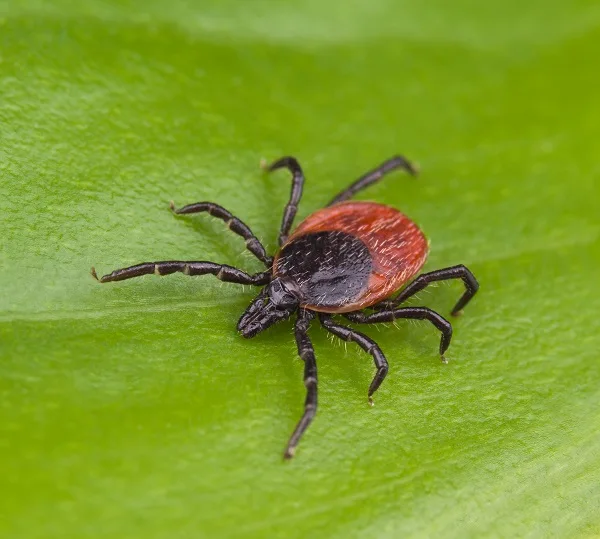
Deer Tick (Eastern Blacklegged Tick)
These tiny ticks are the primary carriers of Lyme disease in Pennsylvania. Adults are about the size of a sesame seed, so they’re hard to spot without careful inspection.
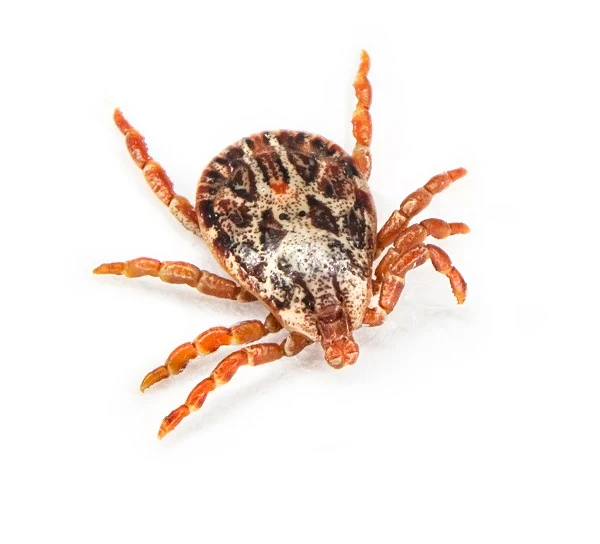
American Dog Tick
Larger than deer ticks, these common parasites prefer grassy areas with little tree cover. They're primary vectors for Rocky Mountain spotted fever and tularemia in our region.
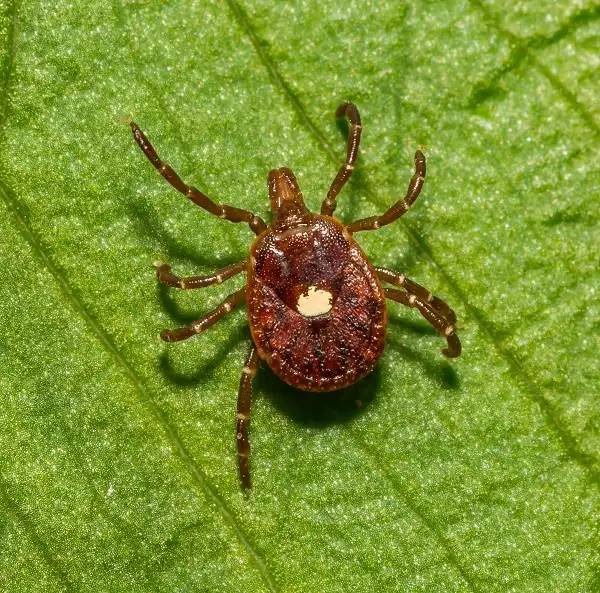
Lone Star Tick
Identified by the distinctive white spot on females' backs, these aggressive ticks actively pursue hosts. Their bites can trigger alpha-gal syndrome, causing serious red meat allergies in some people.
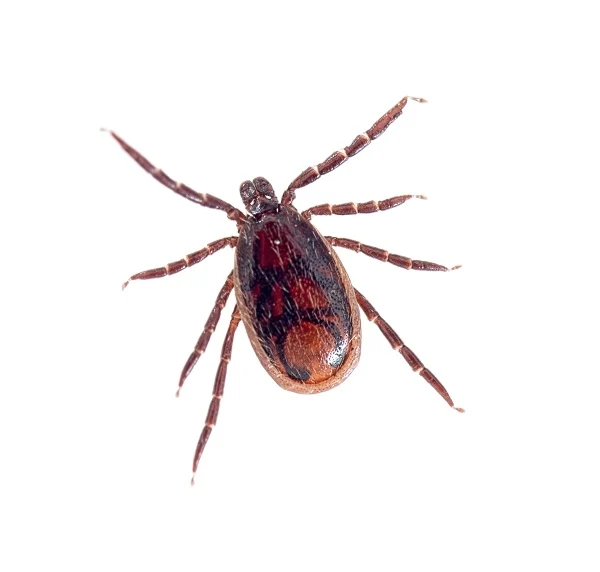
Brown Dog Tick
Unlike other species, brown dog ticks can live their entire lives inside. They primarily target dogs but occasionally bite humans, potentially transmitting several disease-causing pathogens.
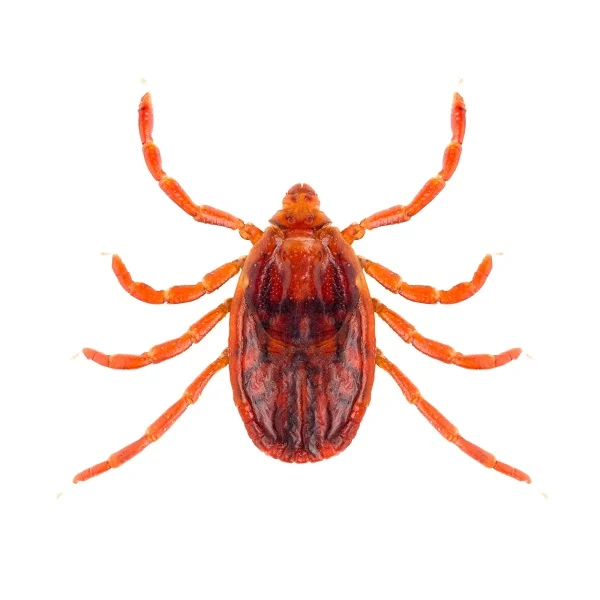
Groundhog Tick (Woodchuck Tick)
These mostly feed on groundhogs, but can bite humans, too. They can transmit Powassan disease, which can lead to serious neurological conditions like encephalitis or meningitis.
Comprehensive Tick Control Services in PA
Protect your family or business with professional tick control services across Montgomery County and beyond. Our local experts offer effective solutions to create a tick-free outdoor environment.
Residential Tick Control
We protect your home and yard with customized treatment plans that target adult ticks and their nymphs at their source. Our thorough property evaluation identifies tick habitats and harborage areas, allowing us to create buffer zones that keep these parasites away from your outdoor living spaces for lasting peace of mind.
Commercial Tick Control
Businesses with outdoor spaces face unique liability concerns regarding tick exposure. Our commercial tick control services help protect employees, customers, and visitors from tick-borne diseases. We develop discreet, efficient treatment protocols for properties like parks, golf courses, outdoor venues, and landscaped commercial areas throughout Lower Merion. No matter the type of commercial business, we can keep ticks at bay.

Hire Professional Tick Fighters
When trying to take a tick out of your skin, there's a risk of its head staying inside. Call us now, and we'll eliminate ticks before they become an issue.
Tips for Identifying Ticks
Spotting ticks before they bite is your first defense against tick-borne illnesses. Here's how to identify these parasites before they become a health threat:
- Unfed adult ticks are typically the size of an apple seed, while nymphs are about the size of a poppy seed. They appear flat and oval-shaped until they feed.
- Depending on species, ticks range from reddish-brown to dark brown or black. Some species, like the Lone Star tick, have distinctive white markings.
- Ticks can't fly or jump — they "quest" by clinging to vegetation with their back legs while extending their front legs to grab passing hosts. Check tall grasses, leaf litter, and wooded edges.
- Ticks love warm, damp spots on your body. Be sure to check under your arms, inside your ears, in your belly button, behind your knees, around your waist, and all through your scalp and hair.
- An unattached tick will move across the skin, while attached ticks embed their mouthparts and begin to swell as they feed. Use a mirror to check hard-to-see areas.
What Brings Ticks to Your Property?
Understanding what attracts ticks helps you reduce their presence around your property. Below are some factors that create tick-friendly environments:
- Wildlife hosts: Deer, mice, chipmunks, and other mammals serve as tick transportation and food sources. Properties that attract wildlife typically have more ticks.
- Overgrown vegetation: Tall grasses, dense brush, and unmaintained borders between lawns and wooded areas provide ideal questing spots for hungry ticks.
- Leaf litter and yard debris: Fallen leaves, grass clippings, and brush piles create humid microhabitats where ticks thrive and lay eggs.
- Bird feeders: While lovely for bird watching, feeders attract small mammals that carry ticks onto your property as they forage for fallen seeds.
- Moisture problems: Damp, shaded areas around foundations, under decks, or near downspouts create ideal humidity levels for tick survival.
Ready to Take Back Your Yard?
Our customized pest management plans address the root causes of tick infestations for long-lasting protection.
Smart Strategies to Prevent Tick Bites
While professional treatment is the best option for comprehensive protection, these personal preventive measures add an extra layer of defense while you’re enjoying time outside:
- Wear light-colored clothing with tight weaves to spot ticks easily. Tuck pants into socks and shirts into pants when in tick-prone areas.
- Stick to cleared, well-traveled trails and walk in the center. Avoid brushing against vegetation, sitting directly on the ground, or leaning against stone walls.
- Shower within two hours of coming indoors to wash away unattached ticks. Perform thorough body checks, paying special attention to hair, ears, and body folds.
- Regularly check pets after outdoor time, especially around ears, neck, and paws. Ask your vet about appropriate tick preventatives.
- Consider treating outdoor clothing with permethrin-based repellents designed for fabric (not skin).