










Types of Bees Common in Pennsylvania
Some bees are beneficial, but when they nest too close for comfort, it’s time to call in the pros for support. Here are the most common species of bees we handle:
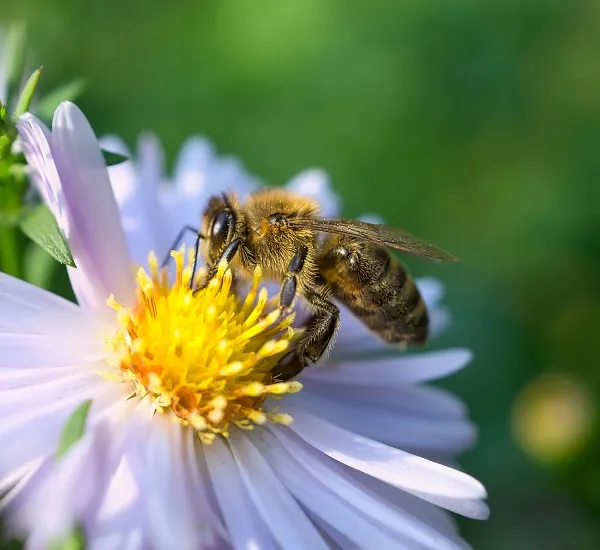
Honey Bee
Honey bees are vital pollinators, but their large hives can damage walls, attics, and sheds when built too close to people. Honey, wax, and waste can seep into structures, attracting pests and causing stains. Even though they usually sting only when threatened, their numbers make nests near homes a risk.
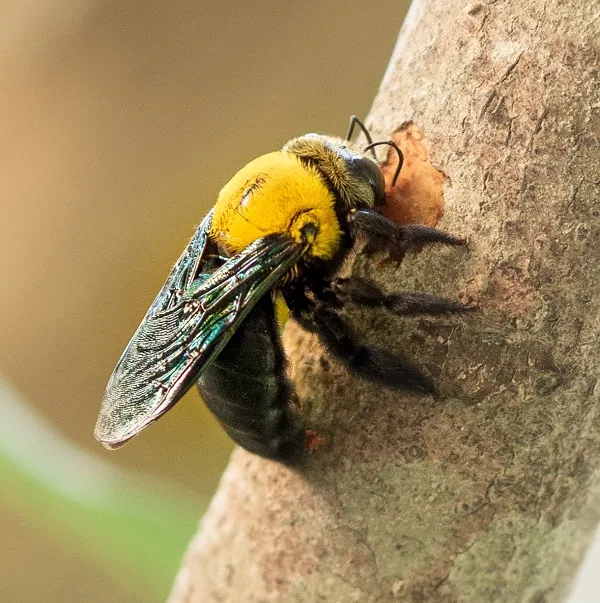
Carpenter Bee
Carpenter bees drill into wood to build nesting tunnels, often returning every year. Their activity can weaken siding, decks, or beams over time, leading to costly and frustrating repairs. While males can’t sting, females will defend their nests and can sting multiple times.
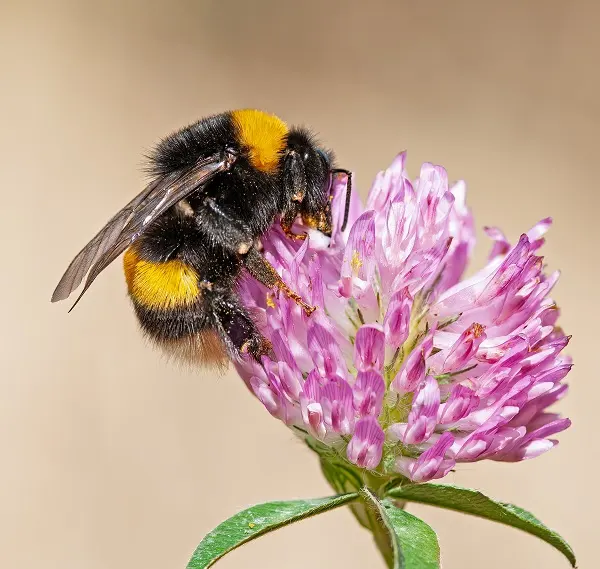
Bumble Bee
Bumble bees live in small ground nests or sheltered areas in colonies of a few hundred. Though helpful pollinators, they will aggressively defend their nests if disturbed. Unlike honey bees, they can sting more than once, posing a risk near busy areas.
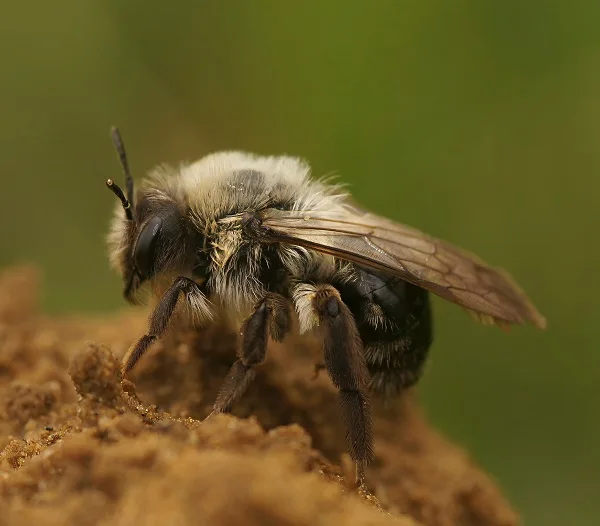
Mining Bee
Mining bees dig small burrows in soil, leaving behind scattered dirt mounds across lawns. Even though they’re solitary and rarely sting, their presence can make outdoor spaces look messy. Mining bee populations often grow in the spring and return to the same spots each year.
Trusted Pest Removal Services for Bees in PA
Whether you’re a homeowner battling a frustrating hive in the attic or a business owner with bees buzzing around your property, we’re here to help.
Residential Bee Control Service
From buzzing in the walls to hives in your shed or attic, our specialists at Pest Control Technicians, Inc. know how to find and safely remove bees without leaving your home in shambles. Beyond that, we identify the root cause of why bees settled in the first place, helping you keep them from coming back.
Commercial Bee Removal Service
Whether it’s a hive near a restaurant patio, bees nesting in the eaves of a retail building, or a swarm around a warehouse, we can help protect your employees, customers, and reputation. Our methods are designed to minimize downtime, allowing your business to operate without unnecessary disruption.

Need Help with Bees on Your Property? Call Pest Control Technicians, Inc.!
Contact us today for a free quote and fast, professional service to safely eliminate bees.
How to Spot a Bee Infestation in Your Home
If you suspect bees may be nesting in or around your property, there are a few telltale signs to look out for:
- A steady hum or faint vibration coming from inside walls or ceilings can signal a hidden hive.
- Seeing bees use the same hole or crack to enter and exit often means there’s a nest inside.
- Even the smallest gaps in siding, roofs, or walls can serve as nesting entry points.
- Honey, pollen, or waste leaking from walls or ceilings can leave stains or sticky spots nearby.
- A sudden spike in bee activity around plants, rooftops, or outdoor structures may mean there’s a colony close by.
Why Are Bees Attracted to Your Property?
Do bees always find a way into your space? Certain conditions make your home or yard a perfect spot for bees to settle. Common attractants include:
- Flowering plants and trees: Nectar-rich vegetation draws foraging bees.
- Unsealed gaps or cracks: Small openings in siding, roofs, or soffits can be perfect entryways for nesting.
- Shaded, protected spaces: Wall voids, attics, and eaves offer ideal shelter.
- Accessible water sources: Birdbaths, gutters, or standing water can all entice bees to stay nearby.
Want Year-Round Protection from Pests?
Ask about our flexible pest control plans designed to keep your home safe from bees and other troublesome invaders.
Interesting Bee Facts
Bees are fascinating creatures, even if you don’t want them in your home. Did you know?
- There are over 25,000 bee species worldwide, and around 4,000 live in the United States.
- One mature honey bee hive can house more than 50,000 bees, each with a defined role.
- Honeybees can detect scents with 170 odor receptors, helping them communicate and find food.
- Bee nests can cause major structural damage if left unchecked, warping walls and ceilings as they grow.
- Most bees die after stinging, which is why they typically only attack when they feel truly threatened.