







Professional Yellow Jacket Removal Services in Pennsylvania
No two infestations are alike, and neither are our solutions. Our trained technicians know how to identify, treat, and prevent yellow jacket problems for homes and businesses alike.
Residential Yellow Jacket Removal
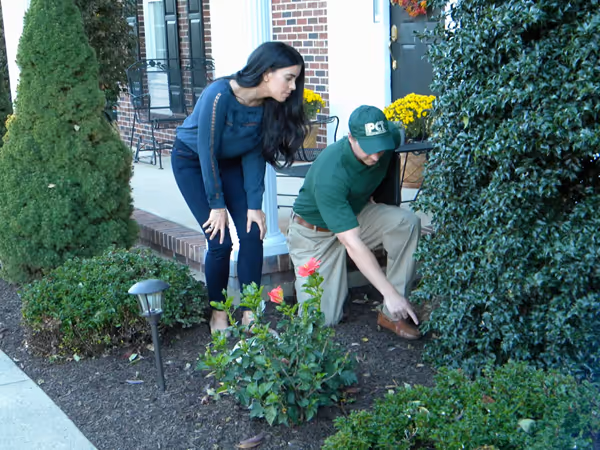
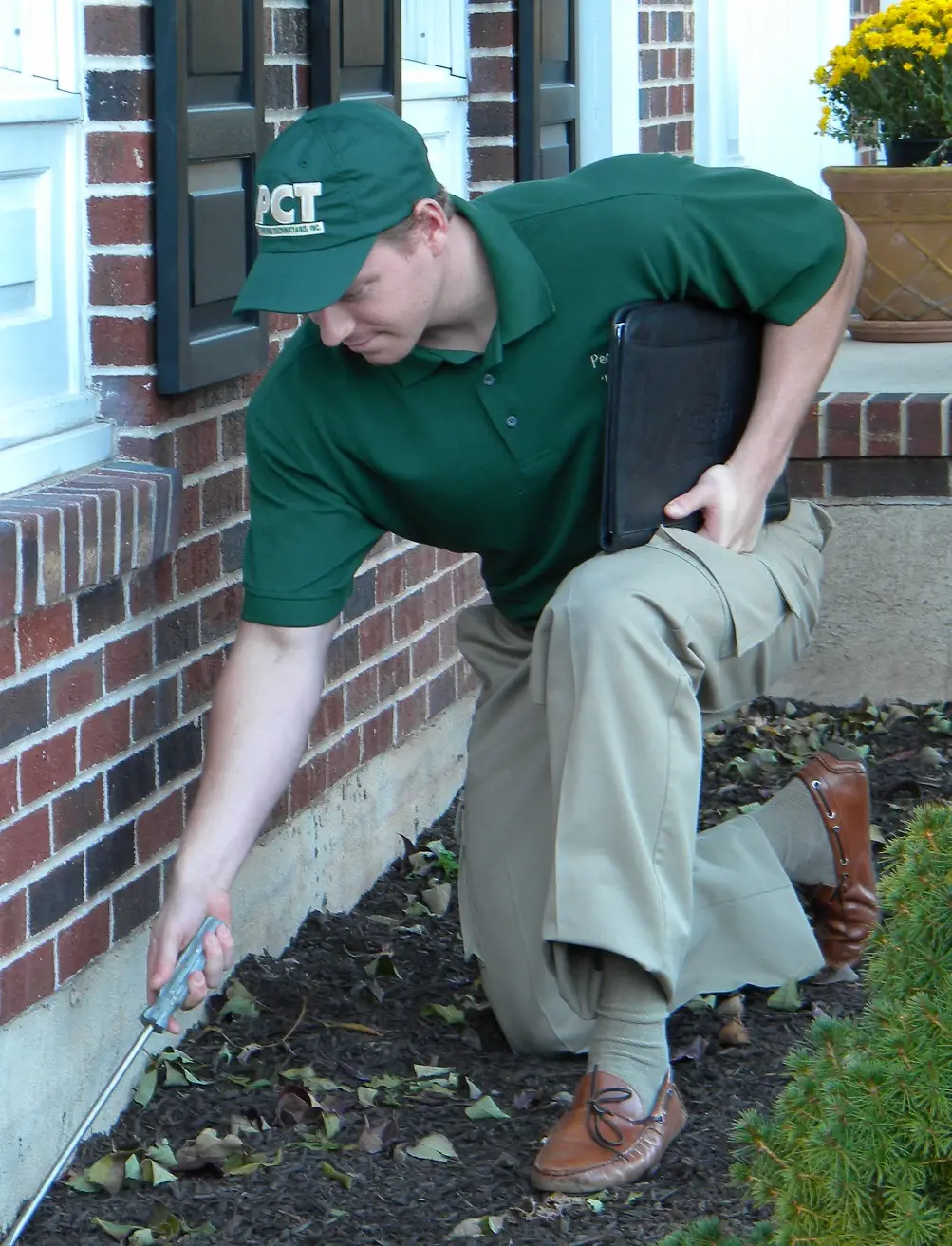
Yellow jackets don’t just make your backyard uncomfortable — they can turn a normal day into a dangerous one. Their stings are painful, and multiple stings can cause serious reactions, especially for kids or anyone allergic. Our team carefully inspects your property to find nests in the ground, attic spaces, or siding to eliminate the root cause of the problem.
Commercial Yellow Jacket Control
For businesses, yellow jackets aren’t just a nuisance — they’re a liability. They can drive away customers from outdoor dining spaces, pose risks to employees, and disrupt daily operations. We provide discreet, professional service to locate and eliminate nests quickly, using methods that won’t harm your property or reputation.
Book Our Yellow Jacket Pest Control Service Today
Call now to schedule your inspection and reclaim your outdoor space.
How to Spot a Yellow Jacket Infestation
Not sure if yellow jackets have moved in? Look for these signs:
- A steady flow of fast-flying black and yellow insects entering and exiting one hole or crevice.
- A papery nest attached to a wall, eave, or tree.
- Small piles of dirt near burrow entrances in the yard.
- Loud buzzing around trash bins or outdoor eating areas.
- An uptick in stings or sightings near your home or business.
Why Yellow Jackets Are Attracted to Your Property
Yellow jackets don’t just show up randomly. Here’s what draws them in:
- Sweet scents: Open cans, fruit, and flower nectar bring in foraging workers.
- Proteins: Meat scraps, pet food, and insects attract them, especially for feeding larvae.
- Shelter: Trees, bushes, eaves, and wall voids make ideal nesting spots.
- Moisture: Damp soil and water sources provide hydration for the colony.
Want to Keep Stinging Pests Away?
Ask us about our customized pest protection plans to prevent future infestations.
How to Treat a Yellow Jacket Infestation
Dealing with yellow jackets can be dangerous, especially when nests are hidden. Here’s how to handle them, in theory, in various locations:
How to Get Rid of Yellow Jackets in the Ground
Treat entrances at night when activity is low, using dust insecticides and sealing holes after treatment. Never pour gasoline — it's unsafe and illegal.
How to Get Rid of Yellow Jackets in a Wall
Drill small access holes to reach the void and apply dust or foam insecticide carefully.
How to Get Rid of Yellow Jackets in Siding
Locate the entry point, inject dust, and avoid sealing it immediately to prevent driving wasps indoors. Follow-up is key to ensuring you have eliminated the problem.
How to Get Rid of Yellow Jackets Naturally
Reduce attractants by covering trash, removing fallen fruit, and planting deterrent herbs like peppermint. Traps can help, but they won’t eliminate nests.
Why You Should Use Only Professional Help to Remove Yellow Jackets
It’s tempting to take a DIY approach. When yellow jackets nest in walls or underground, tackling them yourself can be risky and often backfires. Here's why calling in a pro is worth it:
- Safety first: DIY methods — like pouring gasoline, bleach, ammonia, or even boiling water into nests — can provoke aggressive swarms. Yellow jackets will defend their colony fiercely and can chase intruders long distances.
- Public products are repellents, not solutions: Store-bought sprays often drive the insects deeper into voids or wall cavities, making the infestation harder to treat later.
- Improper attempts worsen infestations: Using aerosol sprays in wall nests can scatter yellow jackets throughout your house, leading to unexpected stinging incidents weeks after your "solution".
- Professionals have the proper gear and approach: Technicians use protective bee suits and industry-grade, non-repellent treatments that kill nests effectively while preventing return infestations.
- We know insect biology and behaviour: Understanding how yellow jackets nest, forage, and respond to threats makes professional removal strategic — something DIY methods simply can't match.
In short, when it comes to yellow jackets, DIY methods aren’t just ineffective — they can make things worse. Trust our trained professionals who can remove nests safely, thoroughly, and with guarantees for lasting results. Plus, we only use natural treatment.
What You Should Know About Yellow Jackets
Here are some quick yellow jacket facts:
- They’re social wasps with annual colonies — only the queen survives winter to restart the nest.
- Most species build papery nests either underground or attached to trees, bushes, or eaves.
- Adults feed on sugars, but their larvae are carnivorous, eating meat and insects.
- They can sting repeatedly, and those allergic to venom need immediate medical attention.
- DIY removal often ends in stings or damage — professional help is always the safest route.