








Cicada Killer Species in the United States
Cicada killer wasps may all look similarly intimidating, but there are a few different species found across North America:
Eastern Cicada Killer
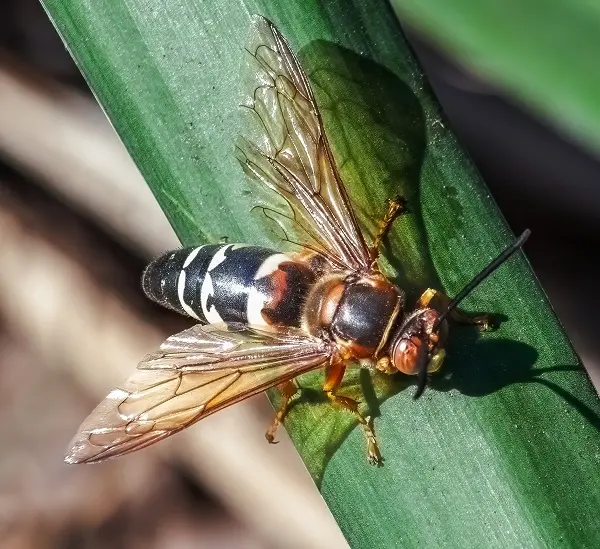
The most common type in Pennsylvania, these large wasps measure between 0.6 and 2 inches long. They have black bodies with yellow stripes and reddish-brown wings. Females are bigger than males and are often seen dragging paralyzed cicadas into their burrows during the summer.
Western Cicada Killer
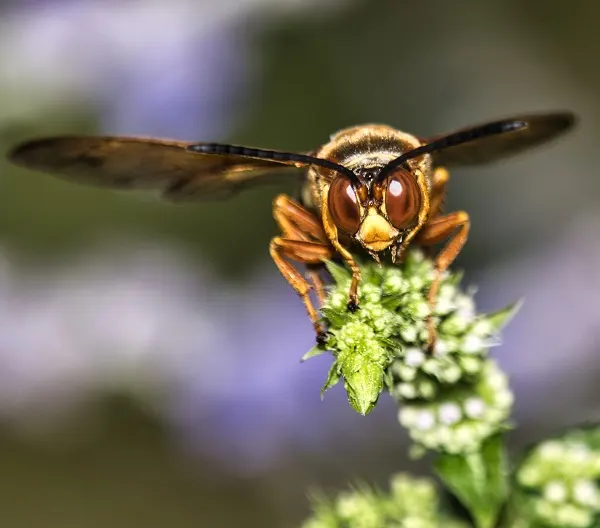
Found mostly in the western U.S. and Mexico, Western cicada killers prefer dry, high-altitude regions. They’re similar in size to Eastern ones, but have a reddish or amber body with yellow stripes. They’re rarely seen in Pennsylvania but share the same solitary, burrowing behavior.
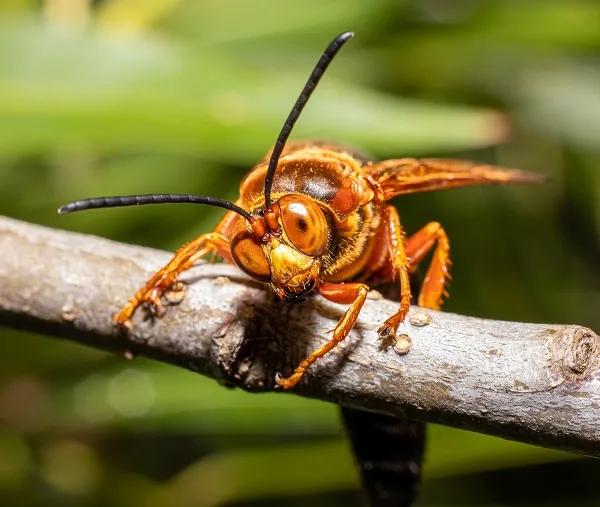
Pacific Cicada Killer
Often confused with the Western variety, Pacific cicada killers also have reddish coloring with yellow rings. They live in wet or elevated areas, and identifying them correctly usually requires a professional, since little research separates them clearly from their western relatives.
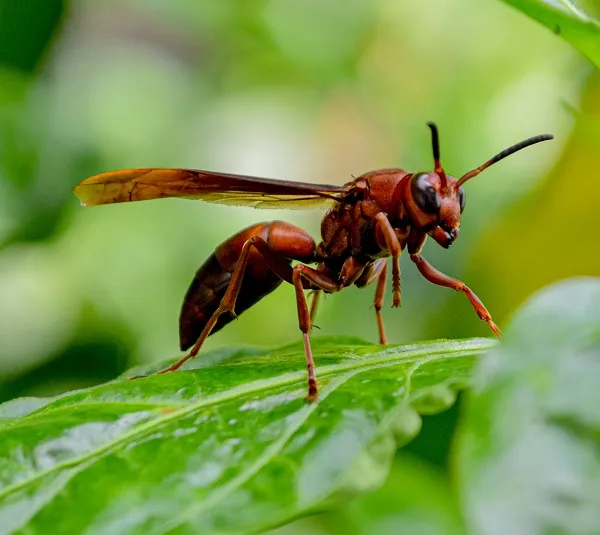
Caribbean Cicada Killer
Found primarily in Florida and throughout the Caribbean, this species stands out with its solid red body and brown wings. It doesn’t have yellow stripes — instead, most have a distinctive black patch covering the rear third of their abdomen (except those in the Bahamas).
Your Local Cicada Killer Wasp Pest Control Services in PA
We know these pests can make it nearly impossible to enjoy your yard. This is no way to live. That’s where we come in — with targeted, environmentally responsible solutions.
Residential Cicada Killer Wasp Removal
Our team will assess your property, locate nests, and use safe, strategic treatments to eliminate cicada killers without harming the ecosystem. We help homeowners reclaim their outdoor spaces with confidence — we want you to enjoy your yard without worry. We tailor every service to your specific property conditions to achieve the most effective results.
Commercial Cicada Killer Pest Control
From office parks to apartment complexes, we’ll protect your exterior grounds from burrowing wasps. Our licensed technicians provide discreet and effective service with minimal disruption to your operations. Whether it’s a single site or multiple locations, we work with your team to eliminate the issue at its core.

Need Help with Cicada Killers in Montgomery County or Nearby?
Our pest control specialists are just a call away, and we’re happy to offer a free consultation.
Signs You Might Have a Cicada Killer Infestation
Wondering if cicada killers have made a home in your yard? Here are some telltale signs to look out for:
- Large, round holes in your lawn or garden, about the size of a quarter.
- Loose soil mounds nearby, as if something’s been digging.
- Wasps flying low to the ground or carrying cicadas.
- Increased wasp activity during hot, sunny summer days.
- U-shaped burrows concentrated in dry, sandy, well-drained soil or near walkways.
Why Cicada Killers Are Choosing Your Yard
Cicada killers don’t just appear at random — specific environmental conditions draw them in. Here’s what makes a property appealing to cicada killers:
- Dry, sandy soil: Perfect for digging their signature burrows without much resistance.
- Full sun exposure: They love the heat, especially between June and August.
- Cicada population: The more cicadas nearby, the more incentive for wasps to settle in.
- Sparse grass or bare patches: Makes digging easier and nesting less risky.
- Low human traffic: They tend to choose quiet, undisturbed corners of your yard or garden.
Think Your Property Might Be a Wasp Magnet?
Our pest control plans are designed to prevent recurring issues. Call us to learn more.
Facts About Cicada Killer Wasps
These wasps might look scary, but there’s more to them than meets the eye:
- While they’re most active in summer, they're also active in April and May and September and October.
- Only females can sting, but rarely do. Unless provoked, they prefer to avoid confrontation.
- They’re solitary nesters. Unlike hornets or yellow jackets, cicada killers don’t form colonies.
- Their sting isn’t dangerous to humans.
- They help control cicada populations and are part of the natural balance, but they don’t need to be part of your yard.