








Common Types of Ants Our Norristown Exterminators Fight
Norristown properties can attract several ant species, especially during warmer months, rainy periods, and seasonal shifts. Identifying the right species is important because the wrong product or placement can make some ant issues last longer or spread to new areas.

Carpenter Ant
Carpenter ants are larger ants, often black or reddish-black, that create tunnels inside damp, softened, or damaged wood. Unlike termites, they don’t eat wood, but their nesting activity can weaken areas already affected by moisture. Homeowners may notice them near window frames, porch posts, decks, wall voids, or basement framing.
Pavement Ant
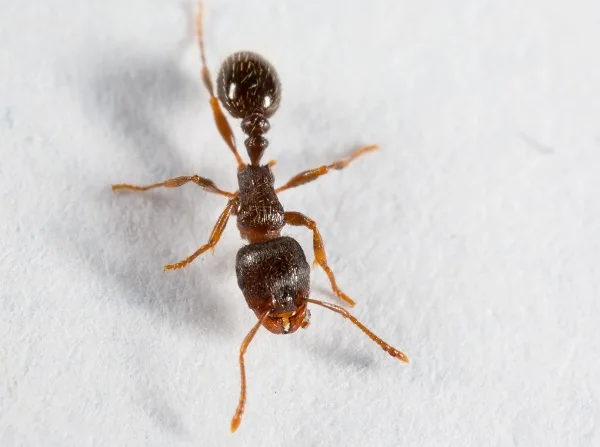
Pavement ants are small, dark ants that often nest under sidewalks, driveways, patios, garage slabs, and foundation edges. They commonly trail indoors in search of grease, sugar, crumbs, and pet food. Their nests outside may continue sending ants indoors until both the nesting site and the points of entry are properly addressed.
Odorous House Ant
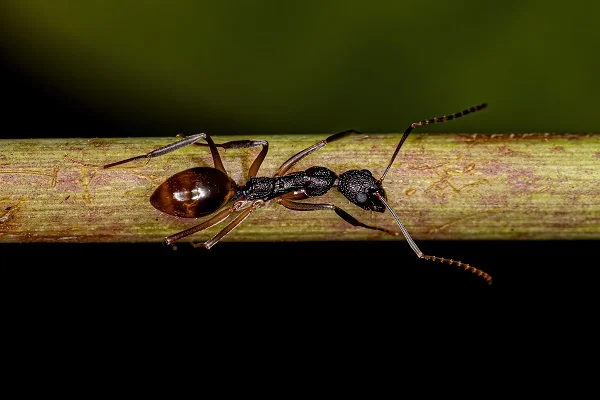
Odorous house ants are small brown to black ants that release a foul, coconut-like smell when crushed. They often appear near sinks, dishwashers, pet bowls, counters, and damp wall voids. These ants can be especially difficult to eliminate because colonies often relocate when their nesting areas are disturbed.
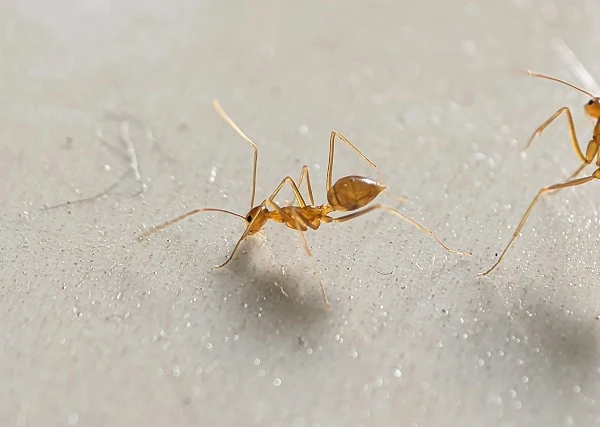
Pharaoh Ant
Pharaoh ants are tiny yellowish ants that can be difficult to control without the right plan. Sprays may cause the colony to split and spread through a structure. These ants can be a concern in apartments, shared buildings, healthcare spaces, food areas, and other sensitive indoor environments.
Ant Treatment Services for Pennsylvania Properties
Pest Control Technicians, Inc. creates custom ant removal plans based on the species, activity level, nest location, and property layout.
Residential Ant Control
We treat ants in kitchens, bathrooms, basements, laundry rooms, patios, foundations, and wall voids. Our technicians start by inspecting the home, identifying active ant trails, and checking common entry points. From there, they apply targeted treatments based on the type and location of the activity. For many indoor ant services, we use gel-based bait to reduce the need for liquid pesticide applications inside the home.
Commercial Ant Control
Ants can damage trust in restaurants, apartments, hotels, offices, nursing facilities, warehouses, and retail spaces. Our ant service is discreet, as we work around your schedule to protect clean, customer-ready spaces.
One Ant Trail Can Lead to Thousands — Eliminate the Problem Today
Don’t wait for ants to spread from one room to the next. Our local team can trace the activity, find the source, and build a plan that helps your property feel clean and comfortable again.

Small Clues That Point to a Bigger Ant Problem
A small ant problem can grow quickly when a colony has food, water, and access to your property.
Watch for these signs before the activity spreads:
- Ant trails moving along countertops, baseboards, cabinet edges, window frames, flooring, or exterior walls.
- Small piles of sawdust-like debris near wood trim, porch posts, deck boards, window frames, or basement framing, which may point to carpenter ant activity.
- Damaged or contaminated pantry items, especially sweets, cereal, pet food, syrup, baked goods, or greasy food packaging.
- Ant mounds or loose soil near driveway cracks, patios, sidewalks, landscape beds, foundation edges, or paver joints.
- Winged ants near windows, lights, basement walls, or doors, which may signal that a mature colony is nearby or preparing to spread.
Why Did Your Norristown Property Become an Ant Target?
Ants don’t need much to move indoors. A few crumbs, a damp area, or a small gap around the foundation can give them enough reason to start a trail.
- Food sources: Crumbs under appliances, sticky spots on counters, grease near stoves, open pantry goods, pet bowls, and trash cans can draw ants inside again and again.
- Moisture problems: Leaky pipes, damp basements, wet crawl spaces, clogged drains, condensation, and overwatered plants can attract moisture-loving ants.
- Entry points: Tiny cracks around foundations, gaps under doors, damaged weatherstripping, utility openings, siding gaps, and window frame openings can give ants easy access.
- Landscaping issues: Mulch piled against the structure, shrubs touching siding, branches near the roofline, stacked firewood, and old stumps can support outdoor nests close to the building.
- Weather changes: Heavy rain, summer heat, dry spells, and cold snaps can push ants indoors as they search for better shelter, food, or water.
Keep the Next Colony from Moving In
One-time treatments stop active trails, but ongoing protection prevents recurrences. Ask about our seasonal plans for consistent prevention and fast response if ants return.
Why Ants Deserve More Than a Quick Spray
Ants are small, but a colony can create a long-running problem if the source isn’t addressed.
- A single colony can contain thousands of ants, while only a small percentage may ever appear inside your home.
- Ants can cross soil, trash, drains, mulch, and outdoor surfaces before reaching counters, cabinets, pantry shelves, or food prep areas.
- Carpenter ants can tunnel through damp wood and may point to hidden moisture damage around windows, decks, porches, roofs, or basements.
- Ant colonies rely on queens, workers, satellite nests, and food trails, so surface spraying often misses the pieces that keep the colony alive.
- Many DIY products kill visible ants quickly but don’t reach the nest, which is why trails commonly return days later in the same spot or a nearby room.